Group your safety forms into connected, end-to-end processes that guide your crew through the job safely. Instead of managing disconnected forms, you can link one form to the next.
Every team has different safety challenges. Explore solutions built for the way you work, from forms and site safety to incidents, training and equipment.
At Site App Pro, we believe in the power of people. That’s why our partners are at the heart of what we do, helping businesses streamline safety processes while growing their own success.
HSWA changes 2027: farms, vineyards and tourism operators
From 1 April 2027, the HSWA changes mean farms and other landowners no longer have health and safety duties to people using their land for recreation, unless it is part of their work. Every PCBU, including tourism operators, must put critical risks first, with small PCBUs focusing mainly on those.
What changes on 1 April 2027 for farms, vineyards and tourism operators?
The Health and Safety at Work Amendment Act 2026 received Royal Assent in July 2026 and comes into force on 1 April 2027. For rural landowners and tourism operators, three changes matter most: recreational access, a focus on critical risks and new rules for small PCBUs. Our Health and Safety at Work Act guide covers the Act as a whole.
Recreational access: Landowners no longer have health and safety duties for people using their land for recreation, unless the activity is part of the company's work or work is happening at the same time and place.
Critical risks first: Every PCBU must prioritise risks likely to result in death or a notifiable injury, illness or incident.
Small PCBUs: Companies with fewer than 20 workers for at least nine months of a financial year must manage critical risks.
Officers: Due diligence attaches to the officer's governance role.
What changes for recreational access to your land?
From 1 April 2027, landowners will no longer have health and safety duties for people using their land for recreation, unless the activity is connected to the company's work or work is happening at the same time and place. WorkSafe confirms this change. It covers hunters, walkers, mountain bikers and others crossing farmland, forestry blocks or other rural land.
Today: WorkSafe's policy says the HSWA applies to recreational access only when the land is affected by a PCBU's work or is part of a workplace. On a farm, the workplace duty already focuses on farm buildings and the area immediately around them, and other parts of the farm only where work is under way.
From 1 April 2027: The carve-out is written into the Act. Commentators note it is not a blanket immunity.
Still your duty: If you charge for a guided hunt, a vineyard tour or a farm stay activity, that recreation is likely to be part of your company's work, and your duties stay.
Work at the same time: If you are spraying, harvesting or felling where people are walking, your duties to them apply.
What to do
Tell recreational users where and when work is happening, and close or sign those areas. Keep a simple record of access arrangements and any notices you give.
What are critical risks, and how do they apply on the land?
A critical risk is a risk likely to result in death, a notifiable injury or illness, a notifiable incident or an occupational disease if something goes wrong. WorkSafe says "likely" refers to the outcome if an incident happens, not how often incidents happen. From 1 April 2027, every PCBU must prioritise these risks, giving them first attention and more resources.
List the work: Write down the tasks your team does across the season, from calving or pruning to spraying, harvest and guiding.
Ask the critical question: If this went wrong, could someone die or be seriously hurt?
Check the controls: For each critical risk, record the controls that are in place and who checks them.
Review more often: Check critical risk controls more often than everyday risks.
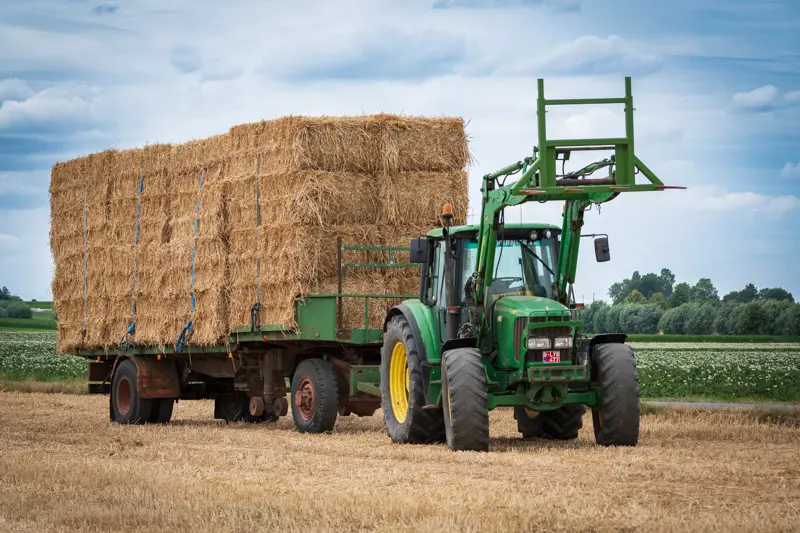
Common examples to assess include vehicles on slopes, tractors and machinery, agrichemicals, tree felling and working near water. Our guide to what the 2027 changes mean for small companies explains what smaller teams must document.
What changes for tourism and adventure operators?
Tourism operators keep their duties to customers, because recreation that is part of their own work is outside the landowner carve-out. Adventure activities, as defined in the Adventure Activities Regulations 2016, are listed as a critical risk under the amended Act. Operators running jet boating, rafting, climbing or similar activities should expect these risks to be a WorkSafe focus.
Adventure activities regulations: No 2027 change to these regulations was found. Changes from 1 April 2024 already require risk disclosure before purchase, a natural hazard call-off policy and direct registration with WorkSafe.
Farm and vineyard tourism: If guests visit as customers, their safety during that activity is part of your company's work.
Relief package: MBIE has been asked to develop a regulatory relief package for sector issues, with no timeline set. Watch WorkSafe and MBIE updates before the season starts.
What should you do before 1 April 2027?
You should use the time before 1 April 2027 to identify your critical risks, check that controls are recorded and confirm what your company size means for your duties. Small PCBUs are not exempt from the HSWA. Welfare, engagement and notification duties continue to apply to every PCBU.
Count your workers: Check whether you have fewer than 20 workers for at least nine months of the financial year, including seasonal staff.
Map your land use: Note where recreational users go, where work happens and any paid activities.
Document critical risks: Record each critical risk, its controls and who checks them.
Brief your officers: Make sure directors and owners understand the risks and verify that controls are used.
Watch for change: Commentators note the reforms could be revisited after the 2026 election, so check WorkSafe guidance before April.
How Site App Pro helps with the 2027 changes
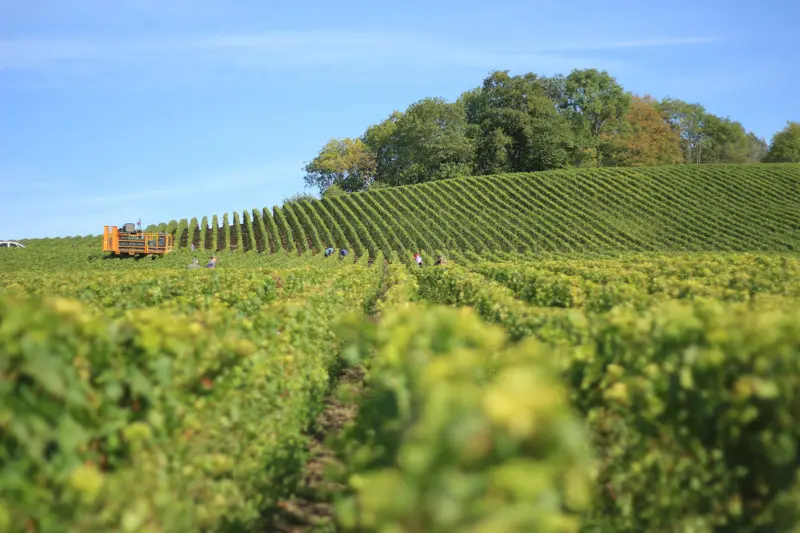
Site App Pro helps you record critical risks and show that controls are checked, across farms, orchards, vineyards and tourism sites.
Hazard and risk registers: Keep critical risks and controls in a digital register your team acknowledges.
Digital forms in the field: Run pre-starts, inspections and toolbox talks on a phone, even without coverage.
Records for officers: Find completed checks by site or date when directors or WorkSafe ask.
A health and safety consultant with farm, forestry or tourism experience can help you identify critical risks and plan for the 2027 changes. For questions about access arrangements or fees, talk to a lawyer. Find a health and safety consultant near you.
Try Site App Pro for free
Start a 14-day free trial with no credit card required. Our team sets you up and uploads your existing hazard, pre-start and inspection forms for free. Pricing is flat-rate and user-based, and our NZ-based support team is here when you need help. Start your free trial.
HSWA changes 2027: farms, vineyards and tourism operators
From 1 April 2027, the HSWA changes mean farms and other landowners no longer have health and safety duties to people using their land for recreation, unless it is part of their work. Every PCBU, including tourism operators, must put critical risks first, with small PCBUs focusing mainly on those.
Ryan Hartley
CEO
Disclaimer: Site App Pro does not provide health and safety or compliance advice. This guide has been provided for information purposes only. You should consult your own professional health and safety advisors for advice directly relating to your company or before taking action in relation to any of the content provided.
Farmers still have health and safety duties to visitors after April 2027 when the visit is part of the farm's work, such as contractors, buyers or paying guests. The change removes duties only for people using the land for recreation, and only when no work is happening at the same time and place.
The recreational access change is unlikely to apply to paid hunting or farm stays, because recreation that is part of the company's work is outside the carve-out. Commentary also notes that a nominal access fee does not, on its own, bring the duty back. Get advice if you charge for access.
A small PCBU under the 2027 changes is one with fewer than 20 workers for at least nine months of a financial year. Seasonal peaks matter: a vineyard that runs over 20 workers for vintage only may still count as small. Small PCBUs must manage critical risks, and other duties remain.
The 2027 changes could be revisited. Labour pledged to repeal the amendments, and NZ First said it would seek further changes after the 2026 election. Until any new law passes, plan for the Act as it stands, with most changes starting on 1 April 2027.
Health and safety management software for small to enterprise New Zealand companies.