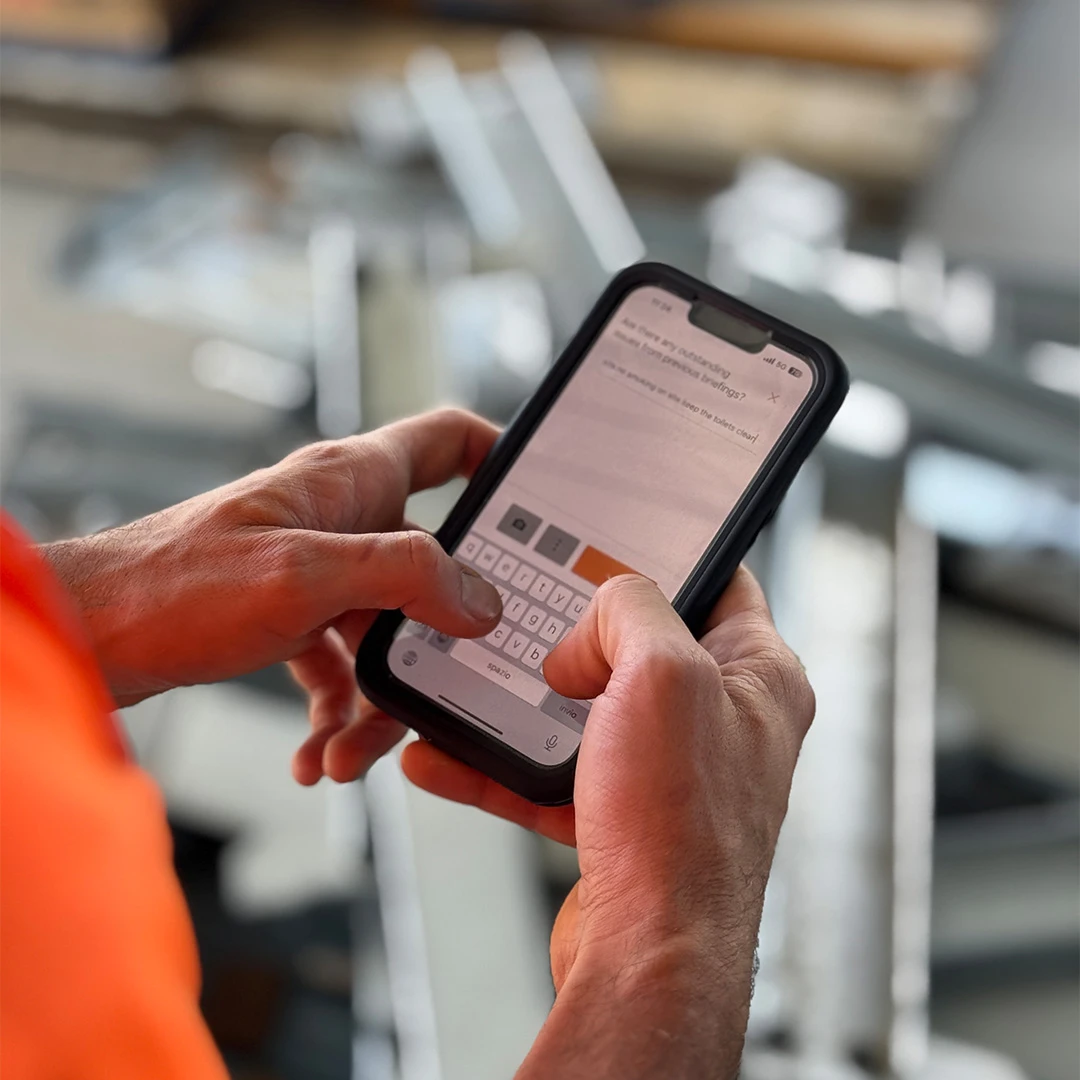
Group your safety forms into connected, end-to-end processes that guide your crew through the job safely. Instead of managing disconnected forms, you can link one form to the next.
Every team has different safety challenges. Explore solutions built for the way you work, from forms and site safety to incidents, training and equipment.
At Site App Pro, we believe in the power of people. That’s why our partners are at the heart of what we do, helping businesses streamline safety processes while growing their own success.
Fewer than 20 workers: what the HSWA changes mean for you
From 1 April 2027, a company with fewer than 20 workers is a small PCBU under the Health and Safety at Work Act. Small PCBUs must manage critical risks, not every risk. Welfare duties, officer due diligence and cooperation with other companies on critical risks still apply.
The Health and Safety at Work Amendment Act 2026 creates a small PCBU category from 1 April 2027. A small PCBU has fewer than 20 workers and must identify and manage critical risks. WorkSafe says small PCBUs may choose to manage other risks but no longer have to.
Critical risks: risks likely to cause death, a notifiable injury, illness or incident, or a specified occupational disease, plus risks managed by regulations.
Other risks: WorkSafe's examples are minor manual handling injuries, slips and trips likely to cause only minor injuries, and minor cuts.
Until 1 April 2027: the current duties apply in full, whatever your size.
Counting starts with WorkSafe's broad definition of a worker: anyone who carries out work in any capacity for your company. That's wider than your payroll. A company with 14 employees and eight regular subcontractors may already be over the line, so count before you assume you're small.
Count these people
employees, including part-time and casual staff
contractors and subcontractors, and their workers
labour hire workers
apprentices, trainees and work experience students
volunteer workers who work for you on an ongoing basis
Don't count occasional volunteers, such as people helping at a one-off fundraiser. WorkSafe treats them as other persons at the workplace.
If your numbers go up and down
WorkSafe says a company with fluctuating numbers is small if it expects fewer than 20 workers in at least nine months of the current financial year. Base the estimate on past years, expected contracts and seasonal demand, and update it when new information arrives. A new company that hasn't traded a full year uses its expectation for the following financial year.
If your numbers don't usually change
Your size changes on the day a permanent change takes effect. Drop to 19 workers and you're small from that day; hire your twentieth and you're large. Use any lead-in time to get ready. There's no duty to keep worker-number records, but WorkSafe suggests documenting your reasoning, and a short note will help if a client asks.
What do small PCBUs still have to do?
Small PCBUs keep most of their duties, now focused on critical risks. WorkSafe lists the primary duty of care, duties for managing a workplace and its plant, training, supervision and information, and providing personal protective equipment, all where a critical risk is involved. Upstream duties for designing, supplying or installing plant and structures also continue.
Welfare duties for everyone: toilets, drinking water, hand washing, first aid and emergency planning apply whatever the risk level.
Officers: directors and owners in governance roles must still exercise due diligence that the company manages its critical risks.
Critical hazards to check first: WorkSafe's summary of the new Schedule 1A includes working at height over 3 metres, excavations, machinery and plant, hazardous substances, asbestos, scaffolding, remote or isolated work and workplace noise.
Example: a small orchard contractor
A pruning contractor with 12 workers uses chainsaws, ladders and a tractor. Falls from height, machinery and chainsaw cuts likely to cause serious harm are critical risks, so they need controls, training and supervision. Minor scratches from branches are another risk the company can choose to manage or not.
What if you work on a bigger company's site?
Most small companies work alongside others: as a subcontractor on a construction or civil site, a contractor on a farm, or one of several trades in a fit-out. From 1 April 2027, WorkSafe says a small PCBU must consult, cooperate and coordinate with other PCBUs on critical risks, and may choose to on other risks.
Expect large clients to ask about all risks: a large PCBU must cooperate with you on every risk, so far as is reasonably practicable.
Read your contract: a contract can require you to manage other risks too. No contract can transfer or remove your duties.
Agree who controls what: on WorkSafe's example of a large builder and a 10-worker electrical subcontractor, both cooperate on electrocution and falls.
Share welfare facilities: where companies share toilets, first aid or emergency plans, they still have to cooperate on them.
How should a small company prepare before 1 April 2027?
Preparing as a small company means confirming your size, then making sure your critical risks are properly controlled and evidenced. Most small companies with a working health and safety system won't need to start again. The shift is in focus: put your time into the risks that could kill or seriously hurt someone.
Confirm your size: count everyone who works for you, including regular subcontractors, and write down how you reached the number.
List your critical risks: walk each job and check it against WorkSafe's critical hazards, from working at height to hazardous substances.
Check the controls: for each critical risk, confirm the control, who checks it and how often.
Train and supervise: make sure workers doing critical tasks are trained, competent and supervised.
Talk to your clients: ask main contractors what they will expect from you after 1 April 2027.
How Site App Pro helps small companies manage critical risks
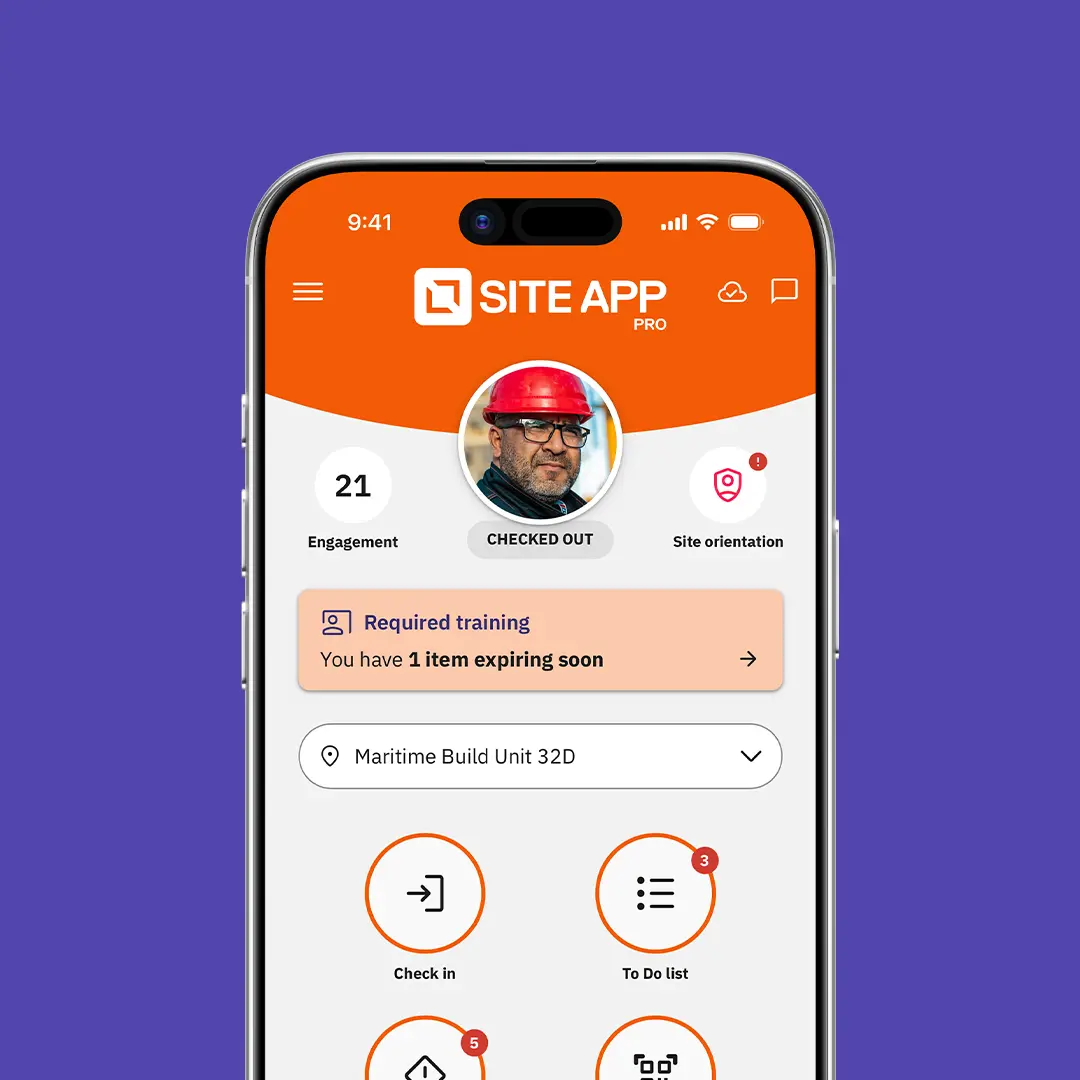
Site App Pro is digital health and safety management software that helps you record and evidence how you manage critical risks, without extra admin.
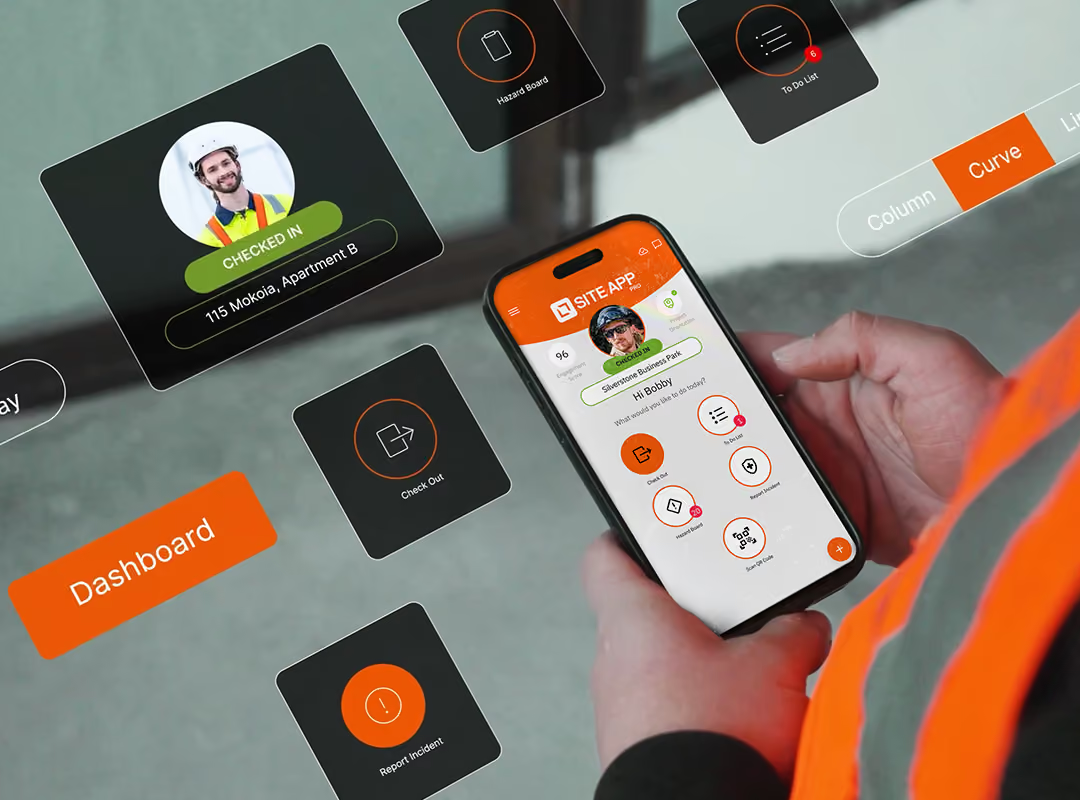
Digital forms: run risk assessments, JSAs and pre-starts for critical tasks from a phone, with reminders when they're due.
Hazard board: flag critical risks on each site and see who has acknowledged them.
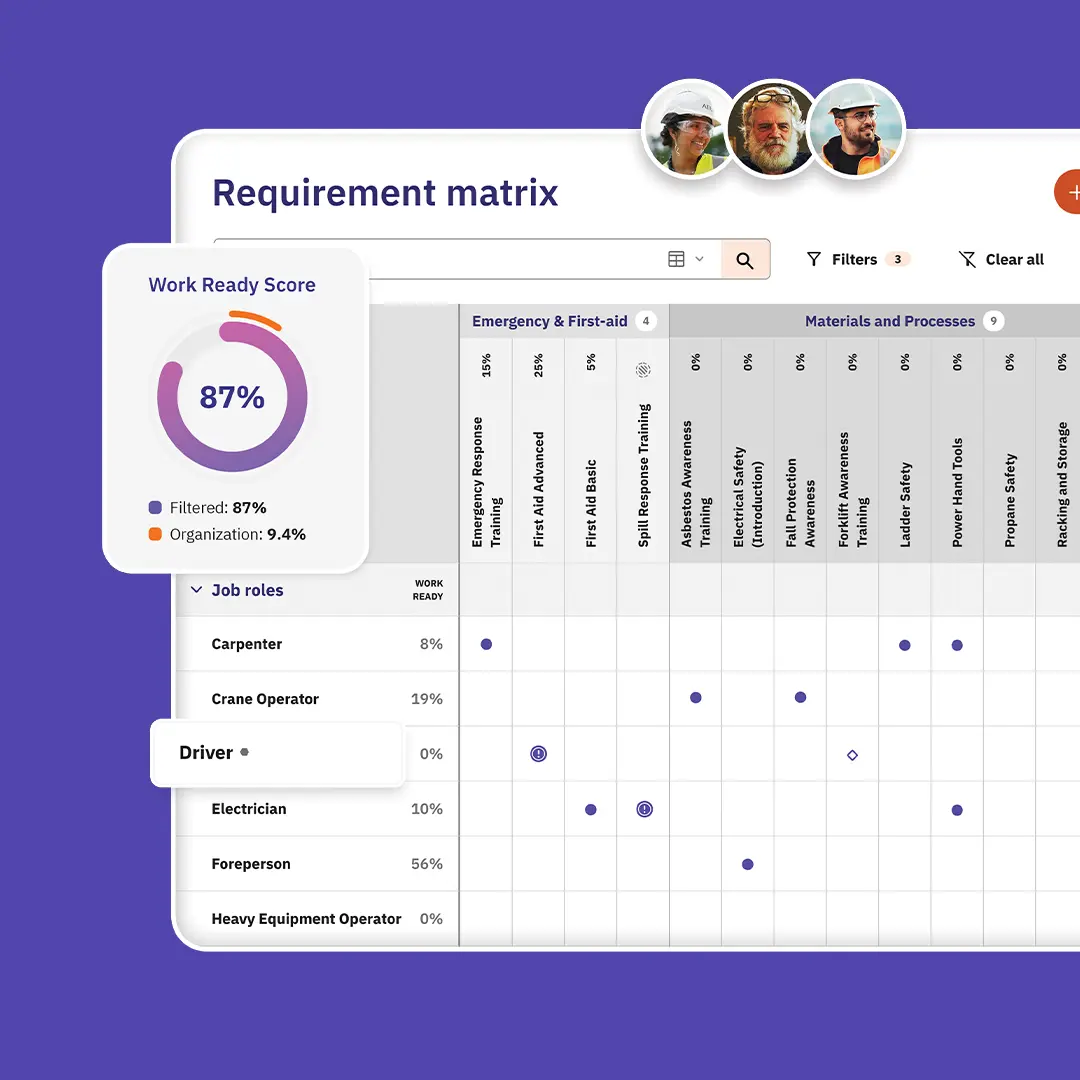
Records in one place: keep inductions, training and controls ready for a main contractor's prequalification check.
A health and safety consultant can help you count your workers, identify your critical risks and check what your contracts ask of you before 1 April 2027. Find one who knows your industry in our health and safety consultant directory.
Try Site App Pro for free
Try Site App Pro free for 14 days, with no credit card required. We set you up and upload your existing forms for you, free of charge. Pricing is flat-rate and user-based rather than per project, and our NZ-based support team is here to help. Start your free trial.
Fewer than 20 workers: what the HSWA changes mean for you
From 1 April 2027, a company with fewer than 20 workers is a small PCBU under the Health and Safety at Work Act. Small PCBUs must manage critical risks, not every risk. Welfare duties, officer due diligence and cooperation with other companies on critical risks still apply.
Ryan Hartley
CEO
Disclaimer: Site App Pro does not provide health and safety or compliance advice. This guide has been provided for information purposes only. You should consult your own professional health and safety advisors for advice directly relating to your company or before taking action in relation to any of the content provided.
Yes. A small PCBU must still identify and manage critical risks, provide welfare facilities and cooperate with other companies on critical risks. A system that records your critical risks, controls and training makes those duties easier to show to clients, main contractors and WorkSafe, even though the 2027 changes narrow what you must manage.
Yes. WorkSafe counts anyone who carries out work in any capacity for your company, which includes contractors, subcontractors and their workers, labour hire workers, apprentices, trainees and volunteer workers. Occasional volunteers at one-off events are not counted. Check your regular subcontractors before deciding you're a small PCBU.
Yes, through your contract. A small PCBU only has to cooperate with other companies on critical risks, but a contract or agreement can require it to manage other risks as well. A large PCBU must cooperate with you on all risks, so expect bigger clients to ask about more than critical risks.
Health and safety management software for small to enterprise New Zealand companies.