Group your safety forms into connected, end-to-end processes that guide your crew through the job safely. Instead of managing disconnected forms, you can link one form to the next.
At Site App Pro, we believe in the power of people. That’s why our partners are at the heart of what we do, helping businesses streamline safety processes while growing their own success.
What does the HSWA Reform Bill mean for your business?
The Health and Safety at Work Act (HSWA) reform bill introduces tailored duties based on business size and places a stronger focus on managing critical risks. While passed in July 2026, the changes take effect on 1 April 2027, giving businesses time to prepare without immediate regulatory shifts.
The upcoming Health and Safety at Work Act (HSWA) amendments represent a major shift towards practical, risk-proportionate workplace regulation across New Zealand. Coming into effect on 1 April 2027, these changes ensure businesses focus their time and resources where they matter most - preventing serious harm and fatal incidents on the job.
Focus on critical risks: Clear legal duties are introduced to prioritise high-consequence hazards (Schedule 1A hazards, death, specified occupational illness, and notifiable incidents) over minor administrative tasks.
Proportionate duties by business size: Businesses under 20 workers (including contractors and subcontractors) get simplified duties centred on critical risk control and basic worker welfare, while larger organisations must systematically manage both critical and non-critical risks across all operations.
Legal "safe harbour" with ACOPs: Following an Approved Code of Practice (ACOP) gives businesses legal certainty that they have met their duties for the risks that code covers.
Clearer officer governance: Re-establishes that due diligence for officers (directors and executives) is focused on high-level governance and oversight rather than daily operational tasks.
Actionable preparation: WorkSafe is releasing guidance in stages ahead of 2027, including an interactive web app releasing in January to help businesses input their size and industry to determine their exact legal duties. Businesses can start preparing now by reviewing critical hazard registers, assessing headcount classification, digitising risk checks, and seeking specialist legal or safety advice.
What are the critical risk changes under the HSWA Reform Bill?
Critical risk under the HSWA reform bill refers to hazards that are likely to result in serious harm if something goes wrong, including death, specified occupational diseases, or notifiable injuries, illnesses, and incidents. The amendments establish a legal framework requiring Persons Conducting a Business or Undertaking (PCBUs) to proactively identify, manage, and prioritise these life-altering hazards based on reasonable knowledge of their operations. Learn more about identifying health and safety critical risks and controls on live worksites.
Key elements defining critical risks and compliance expectations under the new law include:
Schedule 1A hazards: Specific high-consequence hazards officially listed under the updated Act's Schedule 1A, such as working at heights, excavation, mobile plant, and hazardous substances.
Severe harm thresholds: Any workplace risk that could reasonably lead to fatal outcomes, severe illness, or a reportable incident.
Dynamic risk context: Risks are dynamic - routine, lower-level hazards (like minor trip hazards) can dynamically become critical risks if site conditions, environmental factors, or vulnerable site visitors make severe harm likely.
Knowledge expectations: Businesses must evaluate risks using information they know, or ought reasonably to know, regarding their specific working environments.
Prioritised allocation: Workplaces must direct their core resources, safety checks, and risk management efforts toward high-consequence hazards first.
Review your critical risks
Audit your active risk registers and isolate every hazard that fits Schedule 1A or could lead to severe harm. Ensure those high-risk activities are clearly covered during worker inductions and routine pre-start briefings so your team understands which controls require zero compromise.
What do the HSWA changes mean for small businesses?
For small businesses, the HSWA changes simplify compliance by establishing proportionate duties that focus heavily on high-consequence critical risks while maintaining basic worker welfare facilities. Small PCBUs are expected to manage hazards efficiently without the burden of unnecessary paperwork, focusing their limited health and safety resources where they matter most.
Small business requirements and operational expectations under the reform include:
Business size definition: Applies to organisations with fewer than 20 workers for at least nine months of the financial year.
Proportionate focus: Duties are scaled to fit operational realities, prioritising critical risks over low-hazard tasks.
Worker inclusions: The worker tally includes full-time employees, part-time staff, casuals, contractors, subcontractors, and volunteer workers.
Overlapping PCBUs: A small PCBU acting independently alongside a large PCBU keeps its small PCBU duties and doesn't need to consult and cooperate with them on other risks
Welfare maintenance: Continued obligation to provide adequate, standard worker welfare facilities on site.
Simplified compliance: Streamlined risk management processes that eliminate administrative bloat for small teams.
What can a small business do to prepare for the HSWA reform bill?
Count your workers, including regular contractors and seasonal staff. If your numbers go up and down, the test is what you reasonably expect for the current financial year, not last year's average. Look at previous years, upcoming contracts and seasonal demand to form that expectation. Strip away unnecessary administrative forms for low-risk tasks and replace them with focused, digital risk assessments that zero in on critical tasks. If you hover near the 19–20 worker mark, prepare your systems as a large PCBU so you are covered if extra contractor headcounts push you past 20 workers for 3 months and 1 day.
What do the HSWA changes mean for large businesses?
Large businesses must continue managing both critical and non-critical health and safety risks while explicitly prioritising critical risks across their operational allocation of time, capital, and oversight. The reform reinforces comprehensive compliance across all applicable regulations, ensuring corporate governance structures actively address major site hazards.
Obligations for large PCBUs under the updated regulations consist of:
Worker threshold: Applies to any business or organisation with 20 or more workers, or, where worker numbers go up and down, one that expects to have 20 or more workers for more than three months of the financial year.
Dual management: Full legal requirement to manage both routine (non-critical) and critical workplace hazards continuously.
Resource prioritisation: Freedom to determine how to allocate resources - such as deliberately directing 90% of safety budgets and time toward critical hazards before addressing routine items.
Governance duties: Officer due diligence centres on high-level system oversight and resource allocation; officers working on site floors are assessed as workers for operational actions.
What can a large business do to prepare for the HSWA reform bill?
Review your capital allocation and safety budgeting to ensure resources, software, and training budgets disproportionately target high-risk operations. Update executive board reporting dashboards so directors receive clear, verifiable data on critical control performance across every site.
Approved Codes of Practice (ACOPs) and safe harbour
Approved Codes of Practice (ACOPs) will gain stronger legal standing under the reforms, providing businesses with a "safe harbour" defence if they follow approved industry guidance. From 1 April 2027, industry groups can draft sector-specific ACOPs for WorkSafe review and Ministerial approval, offering clear, practical roadmaps to legal compliance.
Key changes regarding ACOPs and legal protection involve:
Safe harbour status: Following the relevant actions in an approved ACOP legally deems a business to have met its duties for the specific risks that ACOP covers.
Industry collaboration: Sector bodies, unions, and employer groups can directly develop draft codes tailored to their trade.
WorkSafe oversight: WorkSafe reviews submitted drafts before recommending them to the Minister for Workplace Relations and Safety.
Sector implementation: Initial ACOPs under development target high-risk sectors including residential construction and agriculture.
Existing codes: Safe harbour applies to ACOPs approved from 1 April 2027, plus a small number of recent codes. Most older ACOPs won't have it until they're reviewed and reapproved.
Voluntary pathway: ACOPs aren't mandatory. Following one is a way to show you've met your duties for the risks it covers, but you can meet those duties in other ways.
Preparing your business for ACOPs and safe harbour
Identify relevant industry associations (e.g., Master Builders, Civil Contractors NZ, or Federated Farmers) and check for upcoming draft ACOPs in your trade. Plan to align your standard operating procedures with approved industry codes to secure legal safe harbour protection once the rules go live.
What you can do to get your business prepared for the HSWA reform bill changes
To ensure your business transitions smoothly into the updated framework, management teams and officers can take immediate, proactive steps:
Audit existing hazard registers: Review your current hazard records to identify which hazards qualify as critical risks under Schedule 1A or meet the severe harm threshold.
Build on what you have: If your safety systems are already well established, you likely won't need to start from scratch. The main change is adopting the new language of critical risk and other risk.
Determine your PCBU classification: Work out how many workers you have, or expect to have across the current financial year, to confirm whether you're a small or large PCBU. This needs to include subcontractors, to confirm whether you're likely to have 20 or more workers for more than three months of the financial year..
Utilise WorkSafe tools: Bookmark WorkSafe’s website and look out for their interactive digital guidance tool releasing in late January to verify your specific compliance duties.
Review governance oversight: Realign officer tasks so directors and executives focus on high-level risk oversight, resource allocation, and safety system verification rather than day-to-day administration.
Digitise safety workflows: Transition away from paper-based logbooks to automated digital forms that provide real-time visibility into high-risk site activities and corrective actions.
Seek expert guidance: Consult specialist health and safety legal representatives or health and safety consultants to verify your compliance strategy.
How Site App Pro helps manage critical risks
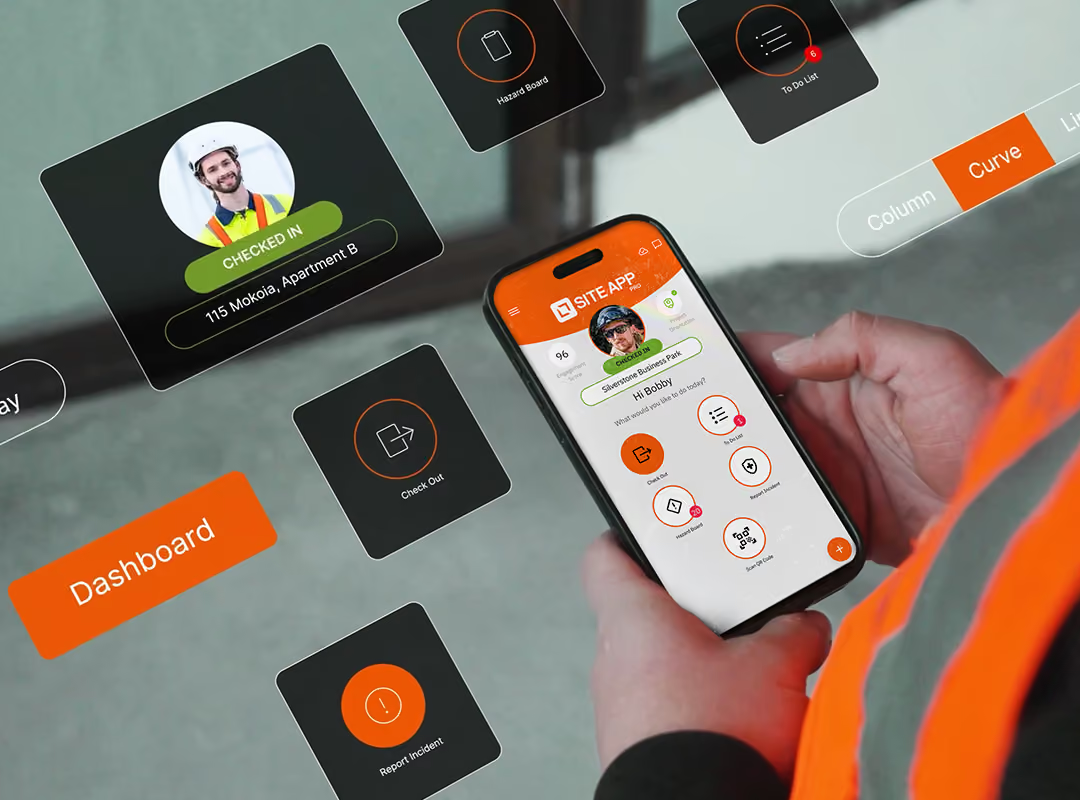
Site App Pro provides a health and safety management platform and mobile safety app designed to help businesses seamlessly capture, monitor, and manage critical site risks, Site App Pro will be updated to align with the new requirements:
Live hazard registers: Instantly log, update, and communicate critical hazards to workers and subcontractors in real time.
Digital risk assessments and JSAs: Empower workers on site to complete digital risk assessments and pre-start checks directly from a mobile app.
Automated corrective actions: Trigger instant alerts when high-consequence hazards or near-misses occur, ensuring immediate controls are put in place.
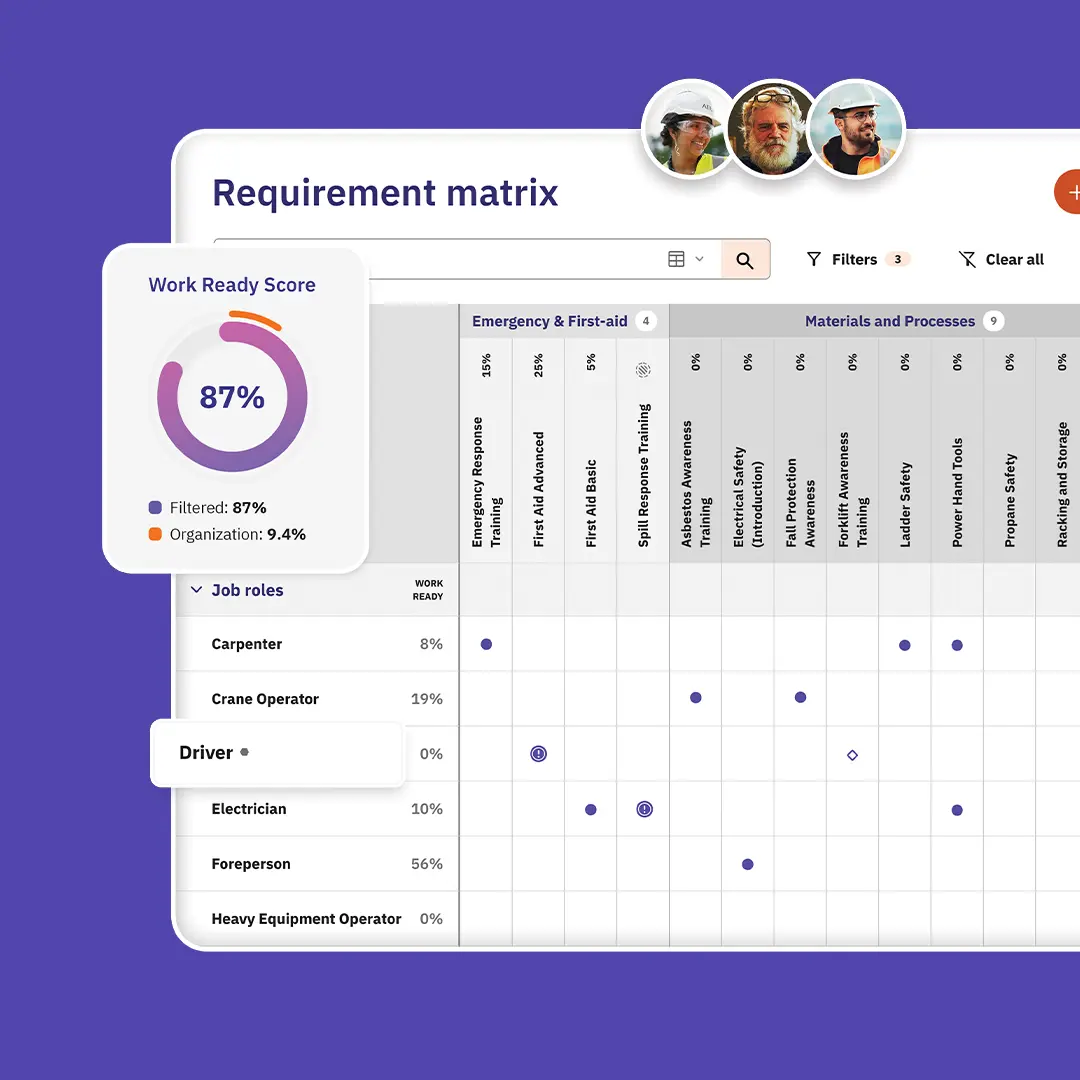
Audit-ready paper trails: Centralise all worker inductions, prequalifications, and safety forms in one searchable location to give officers total oversight.
References
WorkSafe New Zealand. (2026). Health and Safety at Work Act 2015 Amendments Presentation. WorkSafe Mahi Haumaru Aotearoa.
WorkSafe New Zealand. Prioritising critical risks for large PCBUs. Govt.nz.
WorkSafe New Zealand. Managing critical risks for small PCBUs. Govt.nz.
WorkSafe New Zealand. What is a critical risk? Govt.nz.
WorkSafe New Zealand. Am I a small or large PCBU? Govt.nz.
WorkSafe New Zealand. Understanding the changes to health and safety law. Govt.nz.
Downie Stewart Lawyers. (2026). Health and Safety at Work Amendment Act 2026.
McCaw Lewis Lawyers. (2026). What Employers Need to Know About the Reforms to the Health and Safety at Work Act 2015.
What does the HSWA Reform Bill mean for your business?
The Health and Safety at Work Act (HSWA) reform bill introduces tailored duties based on business size and places a stronger focus on managing critical risks. While passed in July 2026, the changes take effect on 1 April 2027, giving businesses time to prepare without immediate regulatory shifts.
Frankie Oughton
Marketing Manager
Disclaimer: Site App Pro does not provide health and safety or compliance advice. This guide has been provided for information purposes only. You should consult your own professional health and safety advisors for advice directly relating to your company or before taking action in relation to any of the content provided.
Health and safety management software for small to enterprise New Zealand companies.