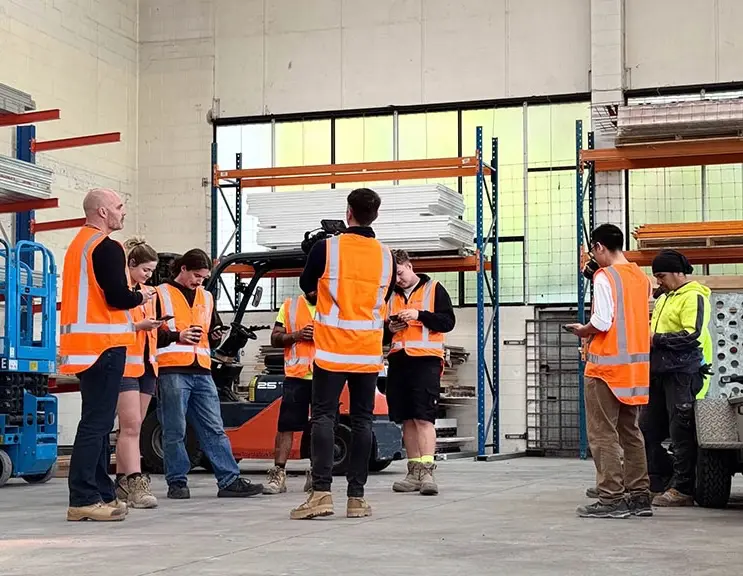

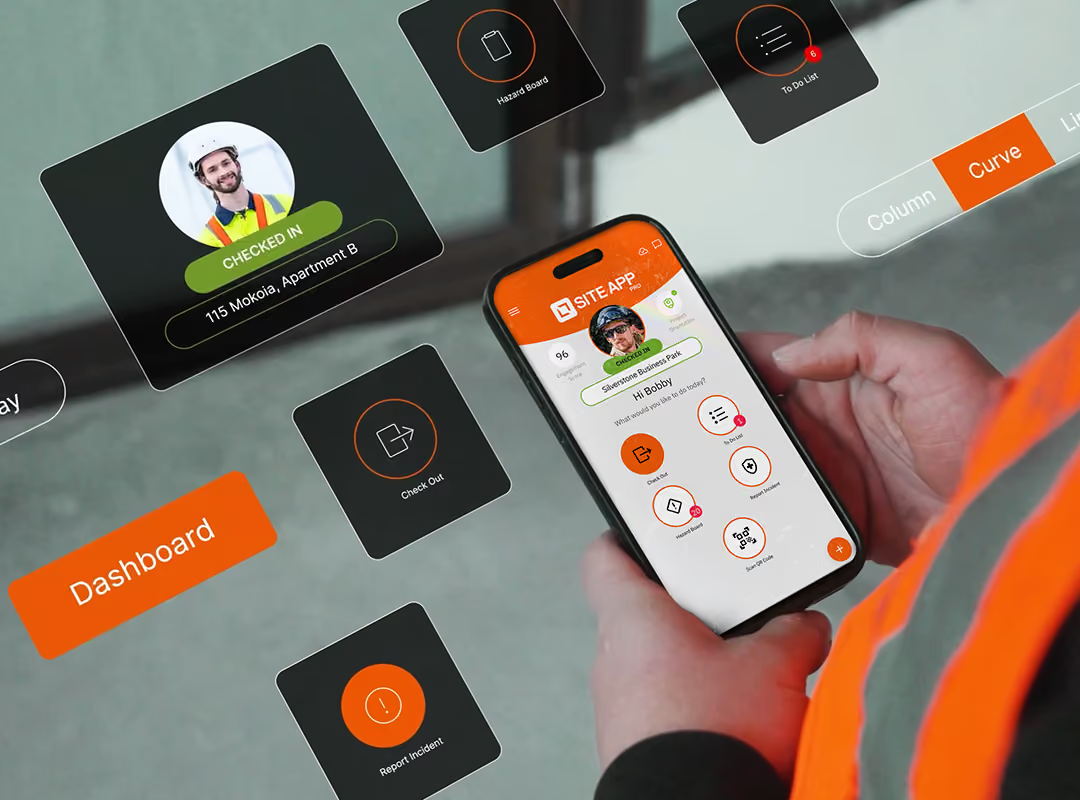
Group your safety forms into connected, end-to-end processes that guide your crew through the job safely. Instead of managing disconnected forms, you can link one form to the next.

At Site App Pro, we believe in the power of people. That’s why our partners are at the heart of what we do, helping businesses streamline safety processes while growing their own success.


Health and Safety Glossary
Plain-English definitions of PCBU, HSWA, WorkSafe NZ, SiteWise and other health and safety terms used by New Zealand construction and field teams.
ACC (Accident Compensation Corporation)
ACC is the Accident Compensation Corporation in New Zealand. It is a crown entity providing comprehensive, no-fault personal injury cover for work-related injuries, helping businesses manage workplace injury claims and return-to-work rehabilitation programmes.
Corrective and preventive action
Also known as CAPA. Corrective and preventive actions are processes designed to address and eliminate the root causes of identified non-conformities, incidents, or hazards, preventing recurring health and safety issues across your operations or company.
Critical risk
A critical risk is any workplace hazard that has the potential to cause fatal or life-altering harm. In New Zealand health and safety, identifying critical risks requires businesses to focus their primary resources on high-consequence scenarios, such as working at heights or around heavy plant - ensuring robust controls are actively maintained and monitored.
Equipment register
Also known as an equipment log. A centralised log tracking plant machinery, assets, fleet or vehicles, and heavy tools, including their inspection schedules, preventative maintenance histories, SOPs and operational safety statuses.
Hazard register
A dynamic list identifying known workplace hazards, assessing their potential risks, and detailing the specific control measures implemented to eliminate or minimise them.
Health and safety management
The systematic framework of policies, procedures, dynamic forms, and clear accountabilities used to identify workplace risks, ensure compliance, and protect workers on-site.
Health and Safety Representative (HSR)
Also known as a HSR. Health and safety representatives are an elected worker trained to represent their peers’ health and safety interests, facilitate open communication with management, and assist in resolving site safety concerns.
Health and Safety at Work Act (HSWA)
Also known as HSWA. New Zealand’s core workplace safety legislation (2015), establishing legal duties for businesses, officers, and workers to ensure health and safety on jobsites.
Incident management
The structured process of logging, investigating, and resolving workplace injuries, illness, or equipment damage to prevent recurrence and maintain complete compliance trails.
ISO 45001
ISO 45001 is the international standard for occupational health and safety management systems, providing a framework to reduce workplace risks, improve safety culture, and enhance operational resilience.
Near miss
A near miss is an unplanned event or unsafe condition that did not cause injury or damage this time, but had the clear potential to do so under slightly different circumstances.
Notifiable event
A notifiable event is a serious workplace incident - including deaths, severe injuries, illnesses, or dangerous incidents - that must be immediately reported to WorkSafe NZ under the Health and Safety at Work Act (HSWA).
PCBU (Person Conducting a Business or Undertaking)
Also known as a Person Conducting a Business or Undertaking. PCBU is the legal duty holder or primary legal entity under the Health and Safety at Work Act 2015 (HSWA). If you run a construction business or contract labour in New Zealand, HSWA places primary responsibility for worker health and safety on your PCBU.
PPE (Personal Protective Equipment)
Also known as Personal Protective Equipment. PPE is specialist clothing or gear worn by workers on jobsites, such as hard hats, high-vis vests, safety boots, and eye protection to shield against site hazards.
Prequal (Prequalification)
Also known as prequalification. Prequal is the process of assessing a contractor’s or subcontractor’s health and safety systems, track record, and competence before awarding them work on a construction project.
SDS (Safety Data Sheet)
Also known as a Safety Data Sheet. A SDS document outlines essential hazard information, safe handling procedures, storage requirements, and emergency measures for hazardous chemicals or substances used on-site.
Site induction
A site induction is an essential onboarding check-in process that briefs site visitors and workers on specific site hazards, emergency procedures, and safety rules before entering a jobsite.
Site-specific safety plan (SSSP)
Also known as SSSP. A site-specific safety plan is a detailed project plan outlining how health and safety will be actively managed on a specific construction or civil site, including risk assessments and hazard controls.
SiteWise
SiteWise is a New Zealand safety prequalification system that assesses a contractor's health and safety capability, environmental credentials and practices, awarding a percentage score to demonstrate compliance to principal contractors.
Subcontractor management
Subcontractor management is the process of managing secondary trade contractors, ensuring their site inductions, licenses, insurance, and safe work procedures are fully verified and monitored throughout a project.
Toolbox talk
A toolbox talk is a brief, practical safety meeting held on-site with workers to discuss specific job hazards, safe work methods, upcoming tasks, or recent incidents before starting work.
Tōtika
Tōtika is a New Zealand health and safety prequalification scheme providing a streamlined, standardised framework to evaluate contractor safety competence across the construction and trade industries.
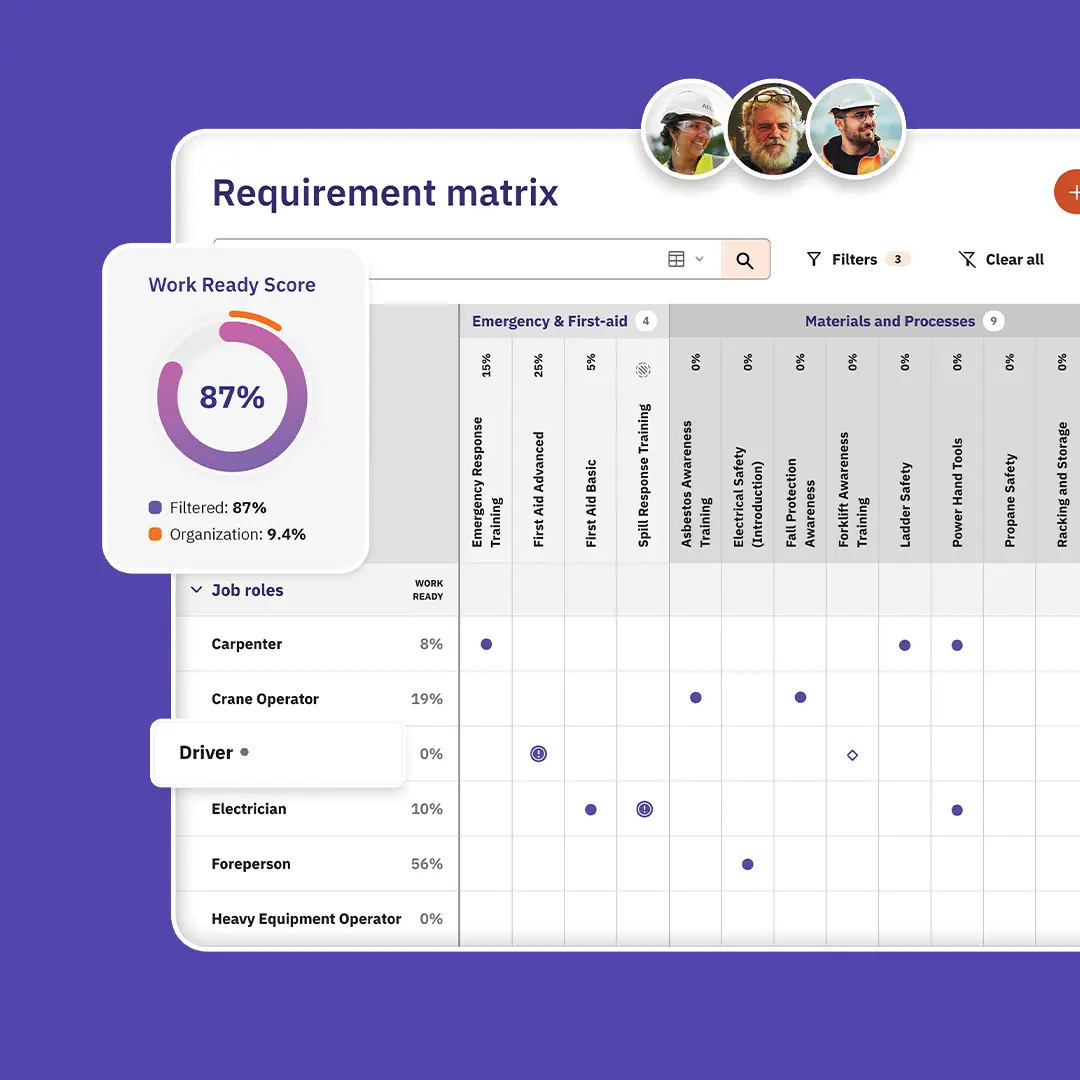
Training register
Also known as a training log. A training register is a centralised record that tracks worker qualifications, site certifications, licenses, and expiry dates to ensure only competent, trained personnel carry out specific tasks on a jobsite.
WorkSafe NZ
WorkSafe is New Zealand’s primary workplace health and safety regulator, responsible for enforcing compliance under the Health and Safety at Work Act (HSWA), conducting site inspections, and investigating serious incidents.