Group your safety forms into connected, end-to-end processes that guide your crew through the job safely. Instead of managing disconnected forms, you can link one form to the next.
Every team has different safety challenges. Explore solutions built for the way you work, from forms and site safety to incidents, training and equipment.
At Site App Pro, we believe in the power of people. That’s why our partners are at the heart of what we do, helping businesses streamline safety processes while growing their own success.
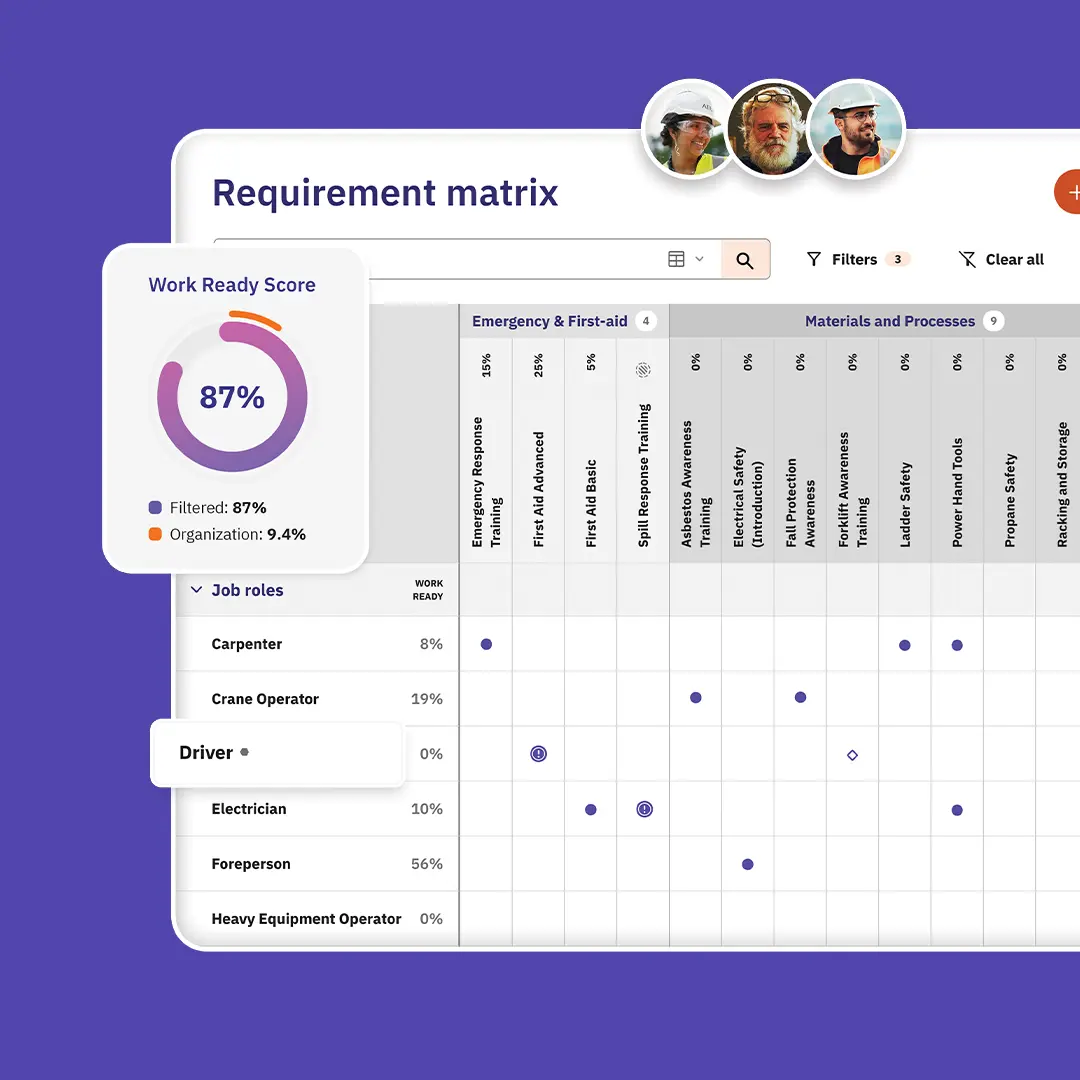
A health and safety training system matches the training each role needs to the tasks your team does, tracks who is trained and when it expires, and keeps the evidence in one place. Start with your tasks and risks, keep it simple and make training practical.
What does NZ law say about health and safety training?
New Zealand law requires every PCBU to provide the information, training, instruction or supervision needed to protect people from work risks, so far as is reasonably practicable. That duty sits in section 36(3)(f) of the Health and Safety at Work Act 2015, covered in our guide to health and safety on the job.
The detail comes from regulation 9 of the General Risk and Workplace Management Regulations 2016:
Knowledge or supervision: every worker doing risky work must have adequate knowledge and experience of similar work, or be adequately supervised by someone who does.
Plant, substances and PPE: workers must be adequately trained in the safe use of the equipment and substances they handle and the PPE they wear.
Fit for the job: training and supervision must suit the work, the risks and the controls in place, and be readily understandable.
WorkSafe says you are not required to keep training records, but recommends it, because records show what was done and when refreshers are due. In practice, records are how you prove the duty is met.
What does a practical training system need?
A practical training system starts with the work your team actually does, not a list of courses. In our recent webinar, consultant Mallory Dawes advised analysing the tasks each role carries out first, then working out which licences, tickets and internal sign-offs those tasks need. That gives you a baseline training plan.
Build the system in this order:
List tasks and risks by role: what each role does, and which tasks carry critical risks such as work at height, mobile plant or live electrical work.
Set the requirement for each task: an external ticket, an internal procedure or both.
Write simple internal procedures: for lower-risk tasks with no formal ticket, such as using a nail gun, use an SOP plus a documented competency check.
Use a competency framework: consultant Mark Gummer recommended clear levels, from novice to expert, so workers know what "signed off" means.
Plan refreshers and expiries: record when every ticket, licence and internal sign-off is due.
Remember that a course certificate isn't always enough. NZTA says anyone driving a forklift on a road, which can include an ungated yard, needs an F endorsement on their driver licence.
How do you know who's trained and ready each day?
You know who's trained and ready when your training records sit in one current, central place that managers and workers can both check. The webinar guests said the best companies they work with can answer that question straight away, while others rely on spreadsheets, filing cabinets or one administrator who holds all the knowledge.
What separates the two:
One source of truth: training, tickets, inductions and competency sign-offs in one register, not scattered folders.
Live, not printed: a printed list on an A3 sheet is only accurate on the day it was printed.
Workers can see their own records: so they can show a ticket on site and own their renewals.
Ready for prequalification: you can export a worker's or team's training history for Tōtika, SiteWise or a client without a scramble.
Why officers should care
Section 44 of the Act requires officers such as directors to make sure the right resources and processes are in place and used, and to verify that. A training register they can check is part of that evidence.
How do you get your team engaged in training?
Teams engage with training when it's relevant to their daily work, explains why a control matters and gives them a chance to practise. Mark Gummer, who comes from an emergency services background, said procedures need regular exercises to build muscle memory, the way firefighters train, rather than a single course.
Ideas from the webinar that work on site and in the workshop:
Keep it bite-sized: short, focused sessions rather than long presentations.
Practise for real: run drills such as lowering a scissor lift manually in an emergency.
Share the speaking: rotate who presents at toolbox talks so each person learns their topic properly.
Use real stories: talk through real incidents, without names, so the stakes feel real.
Add a little competition: short quizzes keep people switched on, and food never hurts.
Praise in public, correct in private: celebrating wins openly builds a safety culture far faster than only pointing out mistakes.
How do you keep training practical for a small company?
A small company keeps training practical by matching the system to its risk profile and to what is reasonably practicable. Mark Gummer pointed out that a two-person operation needs a very different approach from a 100-person company, and a simple checklist often does the job better than a thick manual.
Keep it workable:
Start with critical risks: from 1 April 2027, companies with fewer than 20 workers must manage and prioritise critical risks, so train for those first.
Build it into daily work: Mallory Dawes advised making training part of normal operations so evidence builds up steadily, not in a rush before an audit.
Find your champions: people on the floor who care about their workmates make the best safety advocates.
Get advice: both guests compared good health and safety advice to an insurance policy. It fits into a wider health and safety management system.
How Site App Pro helps with training and competency
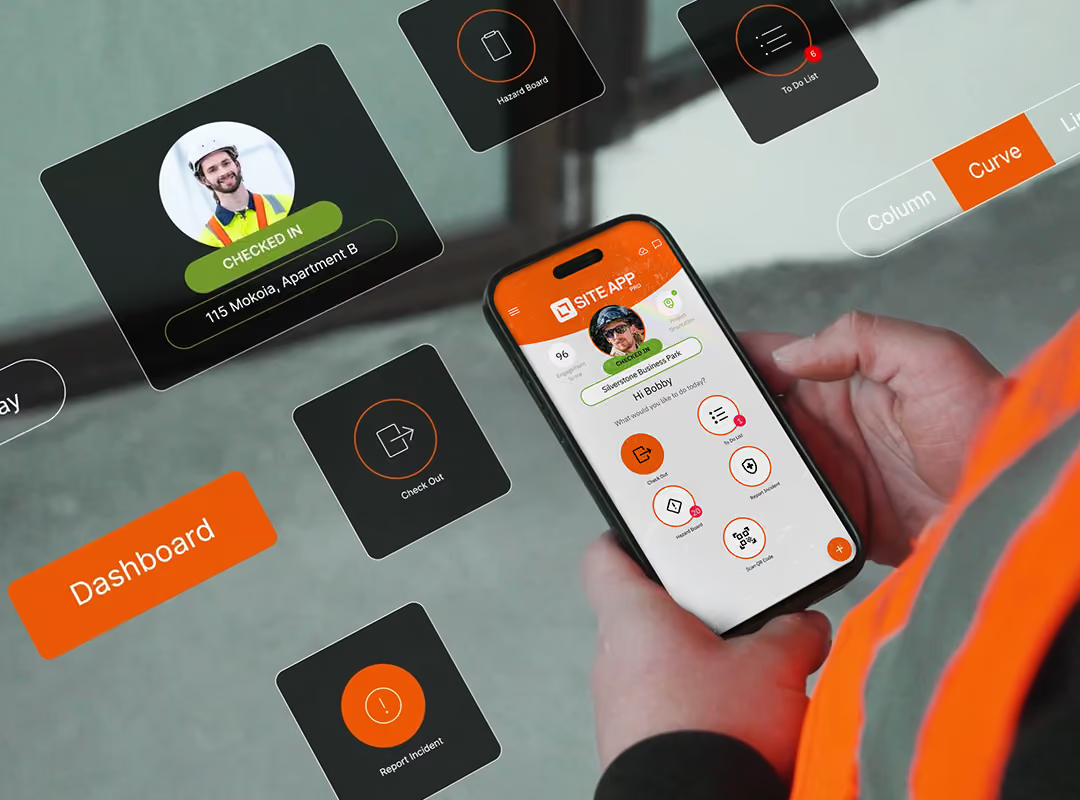
The Training Management Module, available as an add-on, brings training, competency and certification records into one place.
Training register: see who is trained in what across your team, including internal sign-offs and external courses.
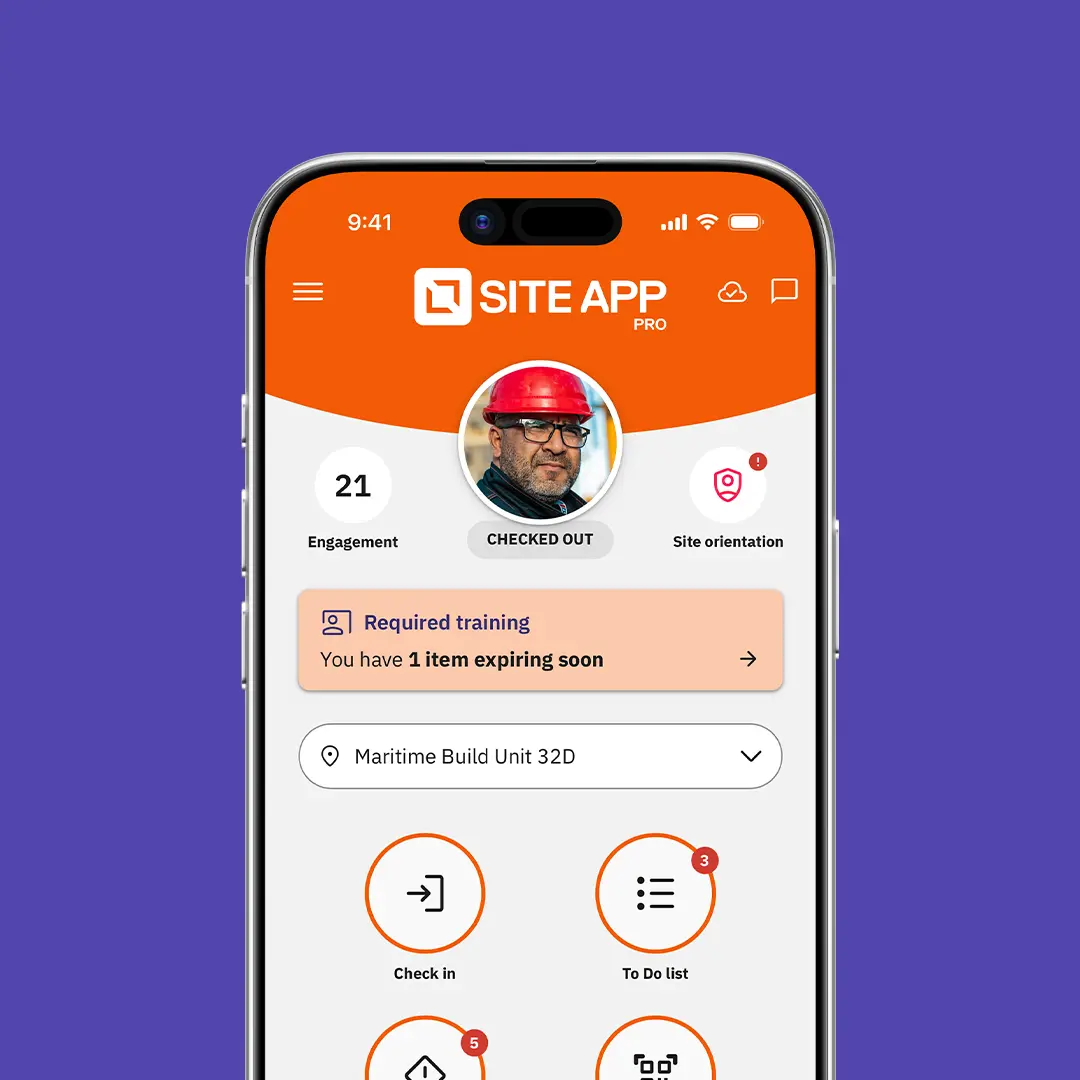
Expiry tracking: optional email or push alerts remind workers and managers before licences or certifications lapse.
Evidence on request: generate training history for a worker or the whole team and email it to a client or assessor.
You don't have to keep training records under NZ law, but WorkSafe recommends it. Records show what training each worker has done and when refreshers are due, and they are the simplest way to show you have met your duty to provide training, instruction and supervision.
What training do new workers need before they start?
New workers need enough training to do their tasks safely, or close supervision by an experienced worker until they show they are competent. WorkSafe advises closely supervising new and inexperienced workers, giving everyone an induction and checking competence through tests or observation.
Is a course certificate enough to drive a forklift?
A course certificate alone isn't enough to drive a forklift on a road. NZTA says you need an F endorsement on your driver licence, and a road can include any place the public can access, such as an ungated yard. Check what licence each piece of plant needs.
How often should health and safety training be refreshed?
Health and safety training should be refreshed before tickets and certifications expire, and whenever the work, the risks or the controls change. WorkSafe also advises checking competence over time, not just once, so regular toolbox talks and practical drills help keep skills current.
Find a health and safety consultant
A health and safety consultant can help you map training to your tasks, set up competency assessments and review your system before a prequalification. Find a health and safety consultant in our NZ directory.
Try Site App Pro for free
Start a 14-day free trial of Site App Pro, no credit card required. We set up your account and upload your existing forms free of charge. Pricing is flat-rate and user-based, contracts are flexible with no minimum term, and our NZ-based support team is here to help. Start your free trial.
Watch the webinar: building a practical safety and training system
Ryan Hartley, CEO of Site App Pro, talks with two NZ health and safety consultants about training at its best and worst, getting teams engaged, knowing who's trained and ready, and keeping it all practical.
Mallory Dawes: Director and Managing Consultant at MD Safety Consulting, who helps small companies build practical safety management systems.
Mark Gummer: Director at Karm Safety Management, with a background in emergency response, logistics and construction.
A health and safety training system matches the training each role needs to the tasks your team does, tracks who is trained and when it expires, and keeps the evidence in one place. Start with your tasks and risks, keep it simple and make training practical.
Ryan Hartley
CEO
Disclaimer: Site App Pro does not provide health and safety or compliance advice. This guide has been provided for information purposes only. You should consult your own professional health and safety advisors for advice directly relating to your company or before taking action in relation to any of the content provided.
Building a practical safety and training system that scales (webinar), Site App Pro, https://youtu.be/bu4LNlM8JKY, recorded 17 November 2026, accessed 19 November 2026.
Health and safety management software for small to enterprise New Zealand companies.