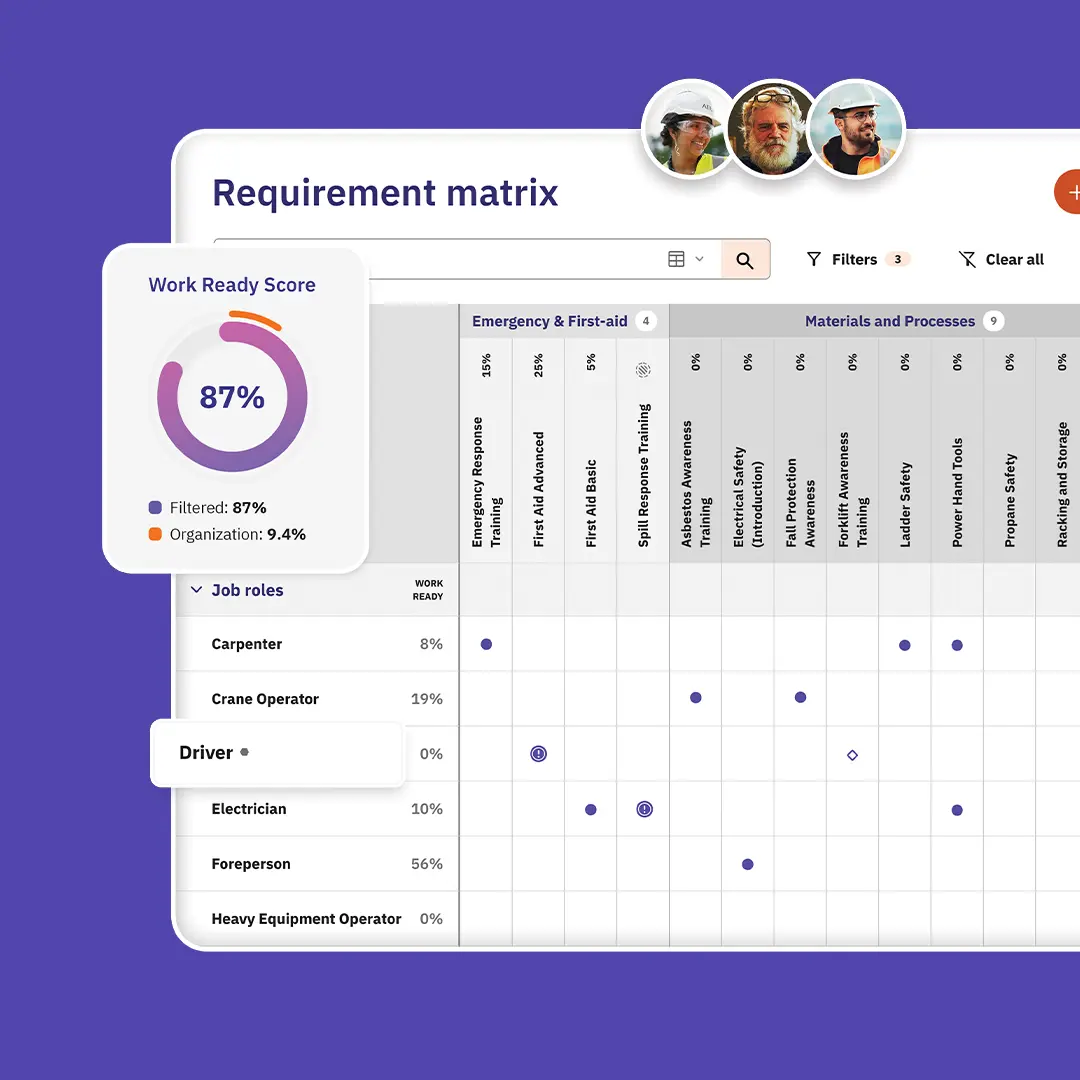
Group your safety forms into connected, end-to-end processes that guide your crew through the job safely. Instead of managing disconnected forms, you can link one form to the next.
Every team has different safety challenges. Explore solutions built for the way you work, from forms and site safety to incidents, training and equipment.
At Site App Pro, we believe in the power of people. That’s why our partners are at the heart of what we do, helping businesses streamline safety processes while growing their own success.
Officer due diligence: what directors and owners must do
Officer due diligence is the duty directors, partners and chief executives have under the Health and Safety at Work Act. Officers must take reasonable steps to make sure their company meets its health and safety duties: understand the risks, provide resources and processes, and check they are used.
An officer is a person who holds a governance role or has significant influence over a company. WorkSafe's officer FAQs list company directors, partners other than limited partners, people in positions comparable to a director, and people with significant influence, such as a chief executive.
Managers and supervisors: health and safety managers, line managers, team leaders and supervisors, unless they also hold an officer role.
Advisors: people who only give advice or recommendations to senior leaders.
Job titles: someone with "officer" in their title, such as a health and safety officer, isn't an officer for that reason alone.
The company itself is the PCBU. If you're unsure where the line sits, our article What is a PCBU? explains the difference between the company, its officers and its workers.
What does officer due diligence mean?
Officer due diligence means exercising the care, diligence and skill a reasonable officer would in the same circumstances, to make sure the company meets its health and safety duties. WorkSafe says each officer has their own duty, not a joint one. An officer with only a passive interest in health and safety isn't taking reasonable steps.
The duty doesn't make officers responsible for running health and safety day to day. WorkSafe's FAQs say the level of involvement depends on the officer's responsibilities and their ability to influence and control the matter. A director of a 400-person civil contractor will engage differently from the owner of a six-person engineering workshop, but both have the duty.
Officers don't need to be experts
WorkSafe's guidance for volunteer officers suggests getting advice from a suitably qualified person to understand the company's risks. The duty is about asking good questions and checking the answers, not about being a health and safety professional.
What steps should officers take?
WorkSafe describes six reasonable steps officers should take. Together they cover knowing the risks, resourcing the work and checking it happens. The steps apply to directors of large companies and owners of small ones alike, scaled to the size and risk of the company.
Keep up to date: acquire and maintain knowledge of health and safety matters.
Understand the work: know the company's operations and the hazards and risks they create.
Resource it: make sure the company has and uses the right resources and processes to eliminate or minimise risks.
Hear about problems: make sure there are processes to receive and respond in a timely way to information about incidents, hazards and risks.
Meet the duties: make sure the company has and follows processes to comply with its HSWA duties.
Verify: check the resources and processes are actually provided and used.
Questions to ask at the next board or management meeting
What are the company's critical risks, and how do you know the controls are working?
What incidents and near misses have happened, and what changed as a result?
Are your workers trained and competent for the high-risk work they do?
When did someone last check a control on site, rather than on paper?
Does the company have the people, time and budget to manage these risks properly?
What would a client, auditor or WorkSafe inspector find if they visited one of your sites tomorrow?
Record the questions and answers in the minutes. A short, regular health and safety item on the agenda is easier to evidence than an annual deep dive, and it keeps critical risks in front of the people who set the budget.
How does the officer duty change on 1 April 2027?
From 1 April 2027, the Health and Safety at Work Amendment Act 2026 clarifies that the officer duty is a governance duty. WorkSafe says officers must understand the relevant risks, make sure the company has resources and processes to manage them, and verify those resources and processes are used. The duty covers only the officer role.
Governance, not operations: an officer who also works on the tools has worker duties for that work, separate from the officer duty.
Critical risks: officers of small companies must exercise due diligence that the company identifies and manages its critical risks.
Until then: the current officer duty applies in full until 1 April 2027.
Volunteer officers have the same due diligence duty as paid officers, but WorkSafe says they don't commit an offence if they fail to meet it. Paid officers can be held liable for failing to exercise due diligence. That's why WorkSafe's guidance stresses evidence that officers are engaged, not just informed.
Volunteers: officers who receive no payment or reward, other than out-of-pocket expenses. They can still be prosecuted as other persons at a workplace for failing to take reasonable care.
Board records: WorkSafe's example of a good process is talking about health and safety at board meetings and recording resolutions.
Large companies: WorkSafe's FAQs say officers can't rely on simply having a safety management system. They should understand how it works and check that it does.
How Site App Pro helps officers with due diligence
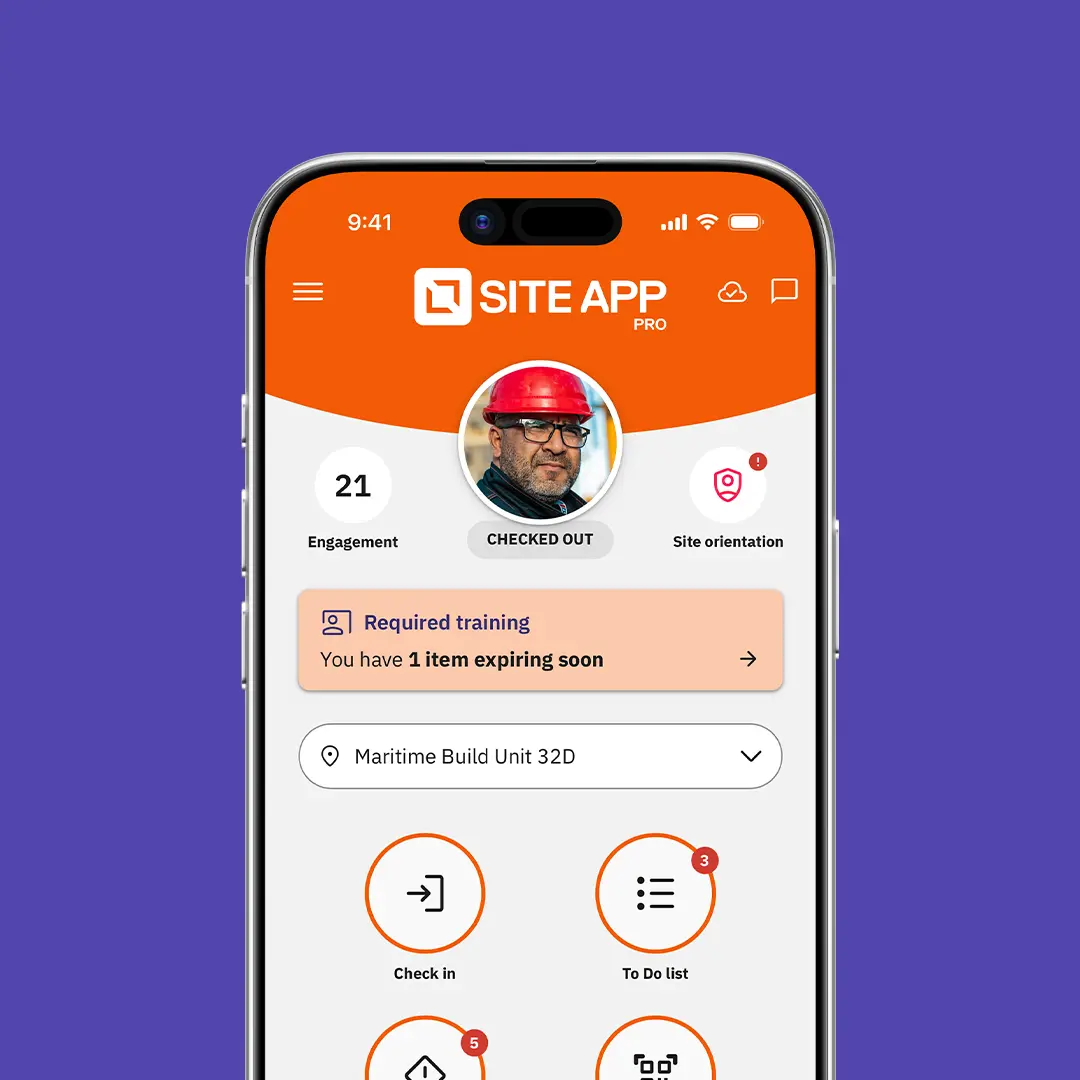
Site App Pro is digital health and safety management software that gives officers clear records to check, without chasing paper.
Reporting: see completed forms, incidents and corrective actions across sites, and export them for board meetings.
Hazard registers: review the critical risks on each site and who has acknowledged them.
Training and competency records: check that workers doing high-risk tasks are trained and their certificates are current.
A health and safety consultant can brief your board on its due diligence duty, help you set up officer reporting and review your critical risks before 1 April 2027. Find one who knows your industry in our health and safety consultant directory.
Try Site App Pro for free
Try Site App Pro free for 14 days, with no credit card required. We set you up and upload your existing forms for you, free of charge. Pricing is flat-rate and user-based rather than per project, and our NZ-based support team is here to help. Start your free trial.
Officer due diligence: what directors and owners must do
Officer due diligence is the duty directors, partners and chief executives have under the Health and Safety at Work Act. Officers must take reasonable steps to make sure their company meets its health and safety duties: understand the risks, provide resources and processes, and check they are used.
Ryan Hartley
CEO
Disclaimer: Site App Pro does not provide health and safety or compliance advice. This guide has been provided for information purposes only. You should consult your own professional health and safety advisors for advice directly relating to your company or before taking action in relation to any of the content provided.
Usually not. WorkSafe says health and safety managers, line managers, team leaders and supervisors are not officers unless they also hold an officer role, such as being a director or having significant influence over the whole company. They are workers, with their own worker duties, and often support officers with information and advice.
No. WorkSafe says each officer has their own due diligence duty, which is not shared jointly with the other directors or partners. Every officer needs to be able to show the reasonable steps they took, such as asking about critical risks at board meetings and checking that the answers are supported by records.
Yes, if they hold an officer role, such as a company director. From 1 April 2027, WorkSafe says officers of small PCBUs must exercise due diligence that the company identifies and manages its critical risks. An owner who also works on site has worker duties for that work as well.
Health and safety management software for small to enterprise New Zealand companies.