Group your safety forms into connected, end-to-end processes that guide your crew through the job safely. Instead of managing disconnected forms, you can link one form to the next.
Every team has different safety challenges. Explore solutions built for the way you work, from forms and site safety to incidents, training and equipment.
At Site App Pro, we believe in the power of people. That’s why our partners are at the heart of what we do, helping businesses streamline safety processes while growing their own success.
How to write an incident report: NZ guide and template
To write an incident report, record the facts while they are fresh: who was involved, where and when it happened, what happened in order, any injuries or damage, what was done straight away and what will change. Notify WorkSafe first if the event is notifiable.
What is an incident report and when do you need one?
An incident report is a written record of a work event where someone was hurt or made ill, property was damaged, or something nearly went wrong. Reporting every incident and near miss gives you facts to learn from; serious events carry legal duties too. Our guide to incident and near miss management covers the wider process.
Incident: Something happened and harm or damage was caused.
Near miss: Nobody was hurt and nothing was damaged, but there was real potential for it.
Notifiable event: A death, a notifiable injury or illness, or a notifiable incident. These must be notified to WorkSafe under the Health and Safety at Work Act.
Records: A person conducting a business or undertaking (PCBU) must keep a record of each notifiable event for at least five years from the date WorkSafe was notified.
Do you need to notify WorkSafe first?
You need to notify WorkSafe first if the event is notifiable. WorkSafe says the PCBU must notify as soon as possible after becoming aware of it, even if emergency services attended. If someone has died as a result of work, phone WorkSafe immediately on 0800 030 040. Use the online Notify WorkSafe form for other notifications.
Notifiable injury or illness: Any injury or illness that requires, or would usually require, admission to hospital for immediate treatment, plus others WorkSafe lists such as amputations and serious head, eye or spinal injuries.
Notifiable incident: An unplanned or uncontrolled incident that exposes people to a serious risk from immediate or imminent exposure, such as a structure or excavation collapsing, a fall from height or an uncontrolled fire.
Preserve the site: The PCBU managing the workplace must take all reasonable steps so the site isn't disturbed until an inspector says work can resume. Helping an injured person and making the site safe are allowed.
WorkSafe relies on you to work out whether an event is notifiable, and its Notify WorkSafe tool helps. If you're unsure, check before you tidy up.
What should an incident report include? (template)
An incident report should include enough facts for someone who wasn't there to understand what happened and what will change. Use the headings below as your template. Keep the same headings for every incident, whether it's a cut hand in a workshop or a vehicle near miss in a depot, so reports can be compared.
Reference and type: Report number, and whether it was an injury, illness, damage, near miss or notifiable event.
When and where: Date, time, site and exact location.
People involved: Names and roles of the injured person, witnesses and the person reporting.
What happened: A factual, step-by-step account in the order events occurred.
Injuries and damage: What the injury or illness was, first aid or treatment given, and any damage to plant or property.
Immediate actions: What was done straight away to help people and make the site safe.
Notification: Whether WorkSafe was notified, when and the reference.
Evidence: Photos, sketches, witness statements and relevant records such as pre-starts.
Causes: What contributed, once investigated.
Corrective actions: What will change, who owns each action and by when.
How do you write a clear statement of what happened?
A clear statement describes what happened in plain words, in order, without guessing or blaming. Write it as soon as possible, while details are fresh. Stick to what you saw, heard and did, and say where you weren't sure. A good statement lets someone picture the event without having been there.
Start with the setting: Where you were, what job was under way and who was there.
Use time order: Describe events step by step, with times if you know them.
Facts, not opinions: Write "the ladder moved sideways", not "he was careless".
Use their words: Record what witnesses said in their own words, and get their own statements where you can.
Include the small details: Weather, lighting, equipment used and anything unusual.
Sign and date it: Your name, role, the date and time you wrote it.
When English isn't the writer's first language
Let people give their account in their own words and language, then record it as accurately as possible. A short, accurate statement is better than a long one that someone else has reworded.
What happens after the incident report?
After the report, the aim is to understand why it happened and what will stop it happening again. WorkSafe notes that the HSWA doesn't explicitly require PCBUs to investigate notifiable events, but says investigating them is part of good practice. Some regulations, such as the Mining Operations and Quarrying Operations Regulations 2016, do require it.
Investigate: Look at what happened, the conditions and the systems, not just the person involved.
Find the causes: Ask why each step happened until you reach something you can change.
Agree corrective actions: Assign each action to a person with a due date.
Follow through: Check actions are done and working, and update your hazard register and procedures, as covered in our guide to critical risks and controls.
Share what you learned: Brief the team at the next toolbox talk.
How Site App Pro helps with incident reports
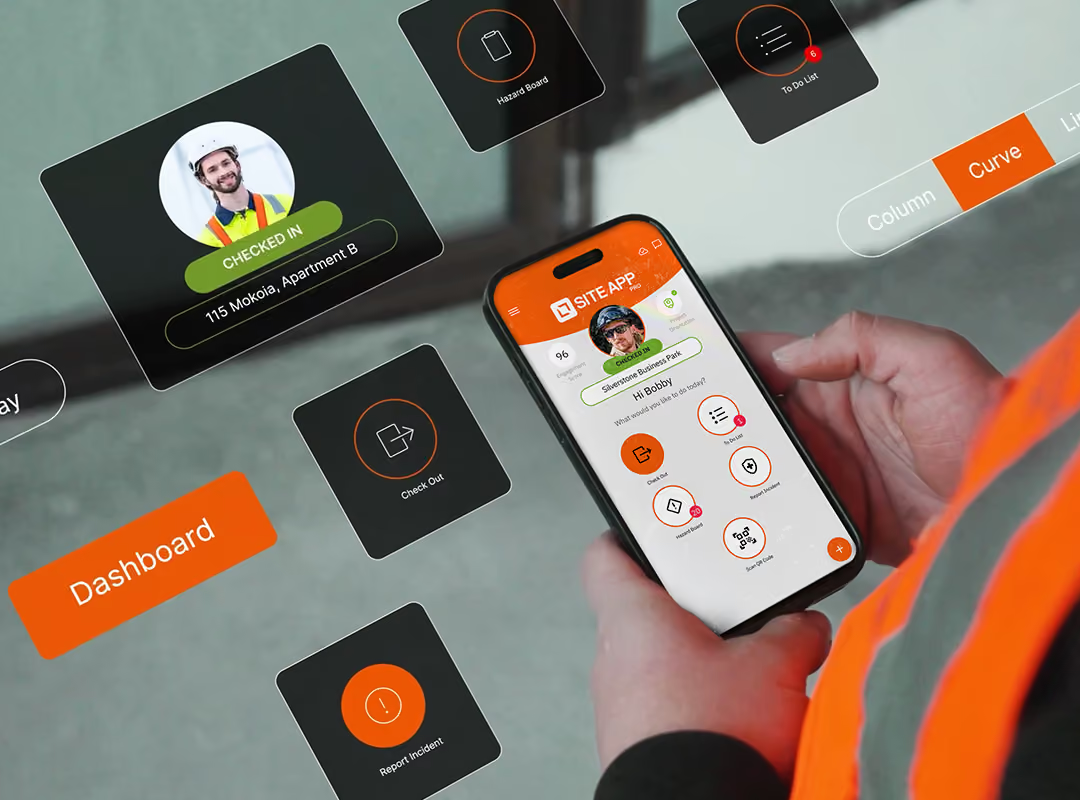
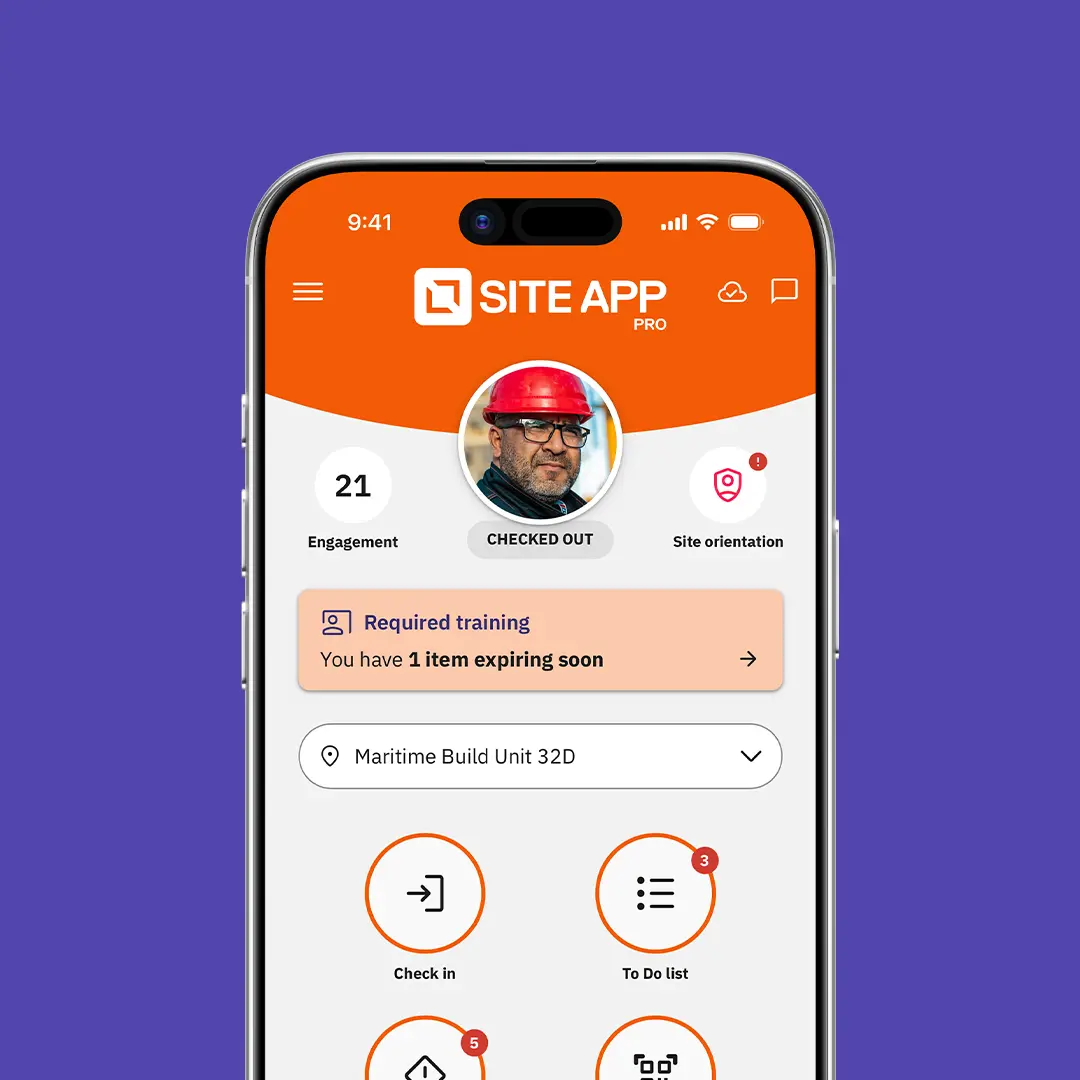
Site App Pro lets your team report incidents and near misses from their phone while the details are fresh, rather than on a paper form that turns up a week later.
Incident and near miss reporting: Use digital forms with your own headings, photos and signatures, even without coverage, syncing when back in range.
Corrective actions: Assign actions to people with due dates and reminders.
One searchable place: Find reports and records later for audits, clients or the board.
After a serious incident, an experienced consultant can help you investigate, work out the causes and agree corrective actions. For legal questions, talk to a lawyer. Find a health and safety consultant near you.
Try Site App Pro for free
Start a 14-day free trial with no credit card required. Our team sets you up and uploads your existing incident and near miss forms for free. Pricing is flat-rate and user-based, and our NZ-based support team is here when you need help. Start your free trial.
How to write an incident report: NZ guide and template
To write an incident report, record the facts while they are fresh: who was involved, where and when it happened, what happened in order, any injuries or damage, what was done straight away and what will change. Notify WorkSafe first if the event is notifiable.
Ryan Hartley
CEO
Disclaimer: Site App Pro does not provide health and safety or compliance advice. This guide has been provided for information purposes only. You should consult your own professional health and safety advisors for advice directly relating to your company or before taking action in relation to any of the content provided.
The person who saw or was involved in the incident usually writes the first report, often with their supervisor. Witnesses should give their own statements. The PCBU is responsible for notifying WorkSafe when an event is notifiable and for keeping the records, so make sure reports reach whoever manages health and safety.
You should write an incident report as soon as it's safe to do so, ideally the same day. Look after people and make the site safe first. Details fade quickly, so a short account written straight away is more useful than a long one written days later. Add investigation findings afterwards.
You must keep a record of each notifiable event for at least five years from the date WorkSafe was notified. The HSWA doesn't set the same rule for every minor incident or near miss, but keeping those records too helps you spot patterns. Check any longer periods your clients or contracts require.
You should report near misses, even though most aren't notifiable to WorkSafe. A near miss shows where something could have gone wrong without anyone getting hurt. Recording near misses gives you the chance to fix a hazard before it causes harm, and it shows the team that raising concerns is taken seriously.
Health and safety management software for small to enterprise New Zealand companies.