Incident and near miss management in NZ

Incident and near miss management means reporting what went wrong or nearly went wrong at work, notifying WorkSafe when required, investigating why it happened and fixing the cause. Under the Health and Safety at Work Act 2015, notifiable events must be reported and their records kept for five years.

What is incident and near miss management?

Incident and near miss management is the process a company uses to report, record, investigate and learn from events at work. An incident is an event where harm or damage was caused. A near miss is an event where nobody was hurt and nothing was damaged, but there was real potential for it.

Most companies already deal with incidents in some way. The difference between a reaction and a system is whether the same steps happen every time:

  • Report: the person involved, or a witness, records what happened as soon as it's safe to do so.
  • Notify: if the event is notifiable, the company tells WorkSafe as soon as possible.
  • Investigate: someone works out why it happened, not just who was involved.
  • Act: corrective actions are assigned, done and checked.
  • Learn: the team hears what changed, and the hazard register and controls are updated.

A good system covers every kind of event, from a cut finger in a workshop or a slip in an office to a trench collapse on a civil job. It also counts near misses, because they show you where the next injury could come from.

What does New Zealand law require?

The Health and Safety at Work Act 2015 (HSWA) requires a PCBU to notify WorkSafe of notifiable events, preserve the site and keep a record of each notifiable event for at least five years. The Act doesn't explicitly require an investigation, but WorkSafe describes investigating as good practice.

Our guide to the Health and Safety at Work Act covers the wider duties. For incidents, the key legal points are:

  • Notifiable events: a death, a notifiable injury or illness, or a notifiable incident arising from work must be notified to WorkSafe as soon as possible.
  • Site preservation: the PCBU that manages or controls the workplace must preserve the site until an inspector says normal work can resume, with exceptions for helping people and making the area safe.
  • Records: keep a record of each notifiable event for at least five years from the date WorkSafe was notified.
  • Reviewing controls: the General Risk and Workplace Management Regulations 2016 require you to review control measures when a control doesn't control the risk it was meant to, or when a new hazard or risk is identified. An incident often shows one or both.
  • Worker engagement: PCBUs must engage with workers on health and safety matters that directly affect them, so far as is reasonably practicable.

What changes on 1 April 2027

The Health and Safety at Work Amendment Act 2026 takes effect mostly on 1 April 2027. WorkSafe says the definition of "immediate treatment" for notifiable injuries will then include treatment by a nurse practitioner. Notification duties continue for every PCBU, including small companies.

What do you have to report to WorkSafe?

You must report a notifiable event to WorkSafe: a work-related death, a notifiable injury or illness, or a notifiable incident. WorkSafe defines these in its guidance, updated 30 October 2026. Most incidents and near misses are not notifiable, but you should still record them internally.

The three categories, in short:

  • Death: any death arising from work. Phone WorkSafe immediately on 0800 030 040.
  • Notifiable injury or illness: a serious injury needing immediate treatment other than first aid (such as an amputation, serious head or eye injury, serious burn or spinal injury), admission to hospital as an inpatient for immediate treatment, medical treatment within 48 hours of exposure to a substance, or certain serious infections.
  • Notifiable incident: an unplanned or uncontrolled incident that exposes someone to a serious risk from an immediate or imminent exposure, even if nobody is hurt. Examples include a fall of a load from height, a structural or excavation collapse, a gas escape or a fire.

WorkSafe notes that treatment in an emergency department without admission doesn't count as admission to hospital. Controlled activities, such as a planned release from a dam, aren't notifiable incidents.

When several PCBUs share a site, such as a main contractor and subcontractors, only one notification is needed. WorkSafe says one PCBU should be nominated, but all of them are responsible for making sure it's done. Our guide to notifiable events explains each category, what to do at the scene and how to notify.
How should your team report an incident or near miss?

Your team should report an incident or near miss as soon as everyone is safe, while the details are fresh. A good report captures what happened, where, when, who was involved and what the immediate response was. The faster and easier the report is to make, the more reports you'll get.

A practical reporting process:

  1. Make it safe: give first aid, call 111 in an emergency and stop the work if the hazard is still there.
  2. Check if it's notifiable: if it might be, notify WorkSafe and don't disturb the scene.
  3. Record the facts: date, time, location, people involved, witnesses, what happened and any injury or damage.
  4. Add evidence: photos, the relevant pre-start, JSA or permit, and witness accounts.
  5. Tell the right people: the supervisor and whoever leads investigations should know the same day.

Stick to facts in the report. "The load shifted as it was lifted and fell about two metres" is useful. "Operator was careless" is a conclusion, and it belongs in the investigation, if anywhere. Our guide on how to write an incident report walks through each field with a template.

Why do near misses matter, and how do you get them reported?

Near misses matter because they show you where harm is likely before anyone is hurt. The same hazard that caused a near miss today can cause a serious injury tomorrow. Recording near misses gives you the evidence to fix controls while it's still a lucky escape rather than a notifiable event.

‍

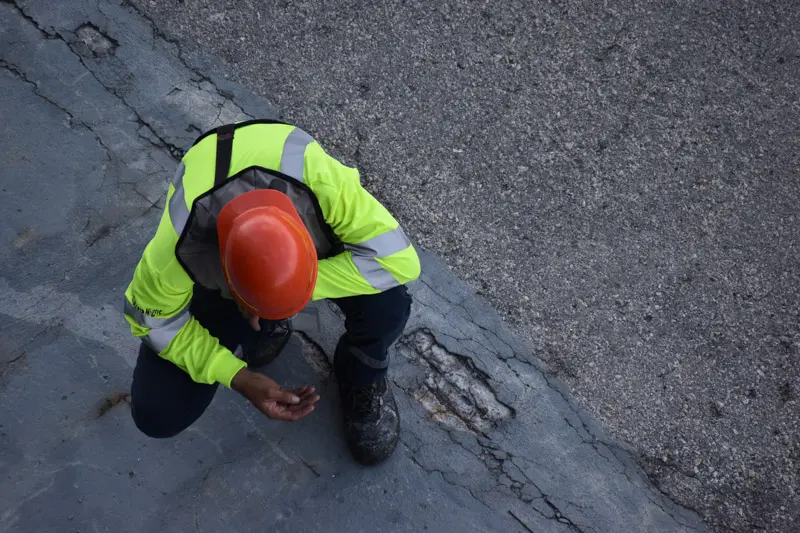
Overhead view of a worker in hi-vis and hard hat kneeling to inspect a damaged section of road surface

‍

The hard part is getting them reported. Health and safety managers often say the team doesn't fill in reports in as much detail as they'd like, or doesn't report near misses at all. Common reasons and fixes:

  • It takes too long: a short form on a phone, with photos, gets more reports than a three-page paper form in the site office.
  • People fear blame: make it clear that reporting a near miss is the right call, and focus investigations on causes, not culprits.
  • Nothing changes: if people never hear what happened next, they stop reporting. Close the loop at the next toolbox talk.
  • They don't know what counts: give examples for your work, such as a dropped tool from a scaffold, a vehicle reversing near a pedestrian on a farm, or a hoist that creeps in a vehicle workshop.

"She'll be right" is the attitude that stops near misses being reported. A quick report is a far cheaper lesson than an injury.

How do you investigate an incident?

Investigating an incident means finding out why it happened so you can stop it happening again. WorkSafe calls investigating notifiable events good practice, and the same approach works for serious near misses. Scale the investigation to the potential harm, not just the actual outcome.

A practical investigation follows these steps:

  1. Plan: decide who will investigate, what the scope is and how quickly it needs to happen.
  2. Gather information: inspect the scene, collect photos, talk to the people involved and witnesses, and pull relevant records such as training, maintenance and pre-starts.
  3. Work out the sequence: what happened, in what order, and where it could have been stopped.
  4. Find the causes: look past the immediate cause to the underlying ones, such as unclear procedures, missing training, faulty equipment, time pressure or a control that was never checked.
  5. Agree actions: choose corrective actions that address the causes, using the hierarchy of controls.
  6. Record and share: write up the findings, the actions and who decided, and share the lessons with the team.

Keep investigations separate from discipline

An investigation that feels like a hunt for someone to blame gets less honest answers. Keep the focus on what the company can change: the task, the equipment, the controls and the systems around them.

How do you make sure corrective actions get closed?

Corrective actions get closed when each one has an owner, a due date and a check that it worked. Most incident systems fail here, not at the reporting stage. A report with a list of agreed fixes that nobody follows up gives a false sense of control.

Good practice for corrective actions:

  • One owner per action: a named person, not "the site team".
  • A realistic due date: with interim controls if the full fix will take time.
  • Higher-order controls first: eliminate or isolate the hazard where you can, rather than relying on a reminder or more PPE.
  • Check it worked: confirm the action is in place and controlling the risk, then update the hazard register, risk assessments and SOPs.
  • Review regularly: go through open actions at management meetings so overdue ones are visible.

Under the General Risk and Workplace Management Regulations, a control that didn't work, or a new hazard found by the investigation, means reviewing and, as necessary, revising your controls. Corrective actions are how you show that happened.

What records should you keep?

You must keep a record of every notifiable event for at least five years from the date WorkSafe was notified. For other incidents and near misses, the law doesn't set a format, but business.govt.nz suggests keeping an incident register and using it in your follow-ups. Good records also help with audits, client questions and board reporting.

Records worth keeping for each event:

  • The report: what happened, when, where and who was involved.
  • The notification: for notifiable events, when and how WorkSafe was notified and any reference number.
  • Evidence: photos, witness accounts and related forms such as permits and pre-starts.
  • The investigation: findings, causes and who signed off.
  • Corrective actions: what was agreed, who owns it, the due date and when it was completed.
  • An incident register: a running list of every incident and near miss, so you can spot trends by site, task or time of day.

Trends matter as much as single events. Three near misses involving the same reversing area, on different sites, is a pattern worth acting on before it becomes a notifiable event.

What are common incident management mistakes?

The most common mistake is treating an incident report as the end of the process instead of the start. Reports that sit unread, investigations that stop at "worker error" and actions that never get closed all leave the hazard where it was. Other common mistakes are below.

  • Only recording injuries: ignoring near misses and property damage, which are early warnings.
  • Late reports: details are lost when reports are written days later from memory.
  • Not checking if it's notifiable: moving equipment or tidying up before deciding whether WorkSafe needs to be told.
  • Blame first: investigations that focus on who, not why.
  • No feedback: the team never hears what changed, so they stop reporting.
  • Scattered records: reports in a folder, actions in emails and photos on someone's phone, so nobody can show the full picture.

How Site App Pro helps with incident and near miss management

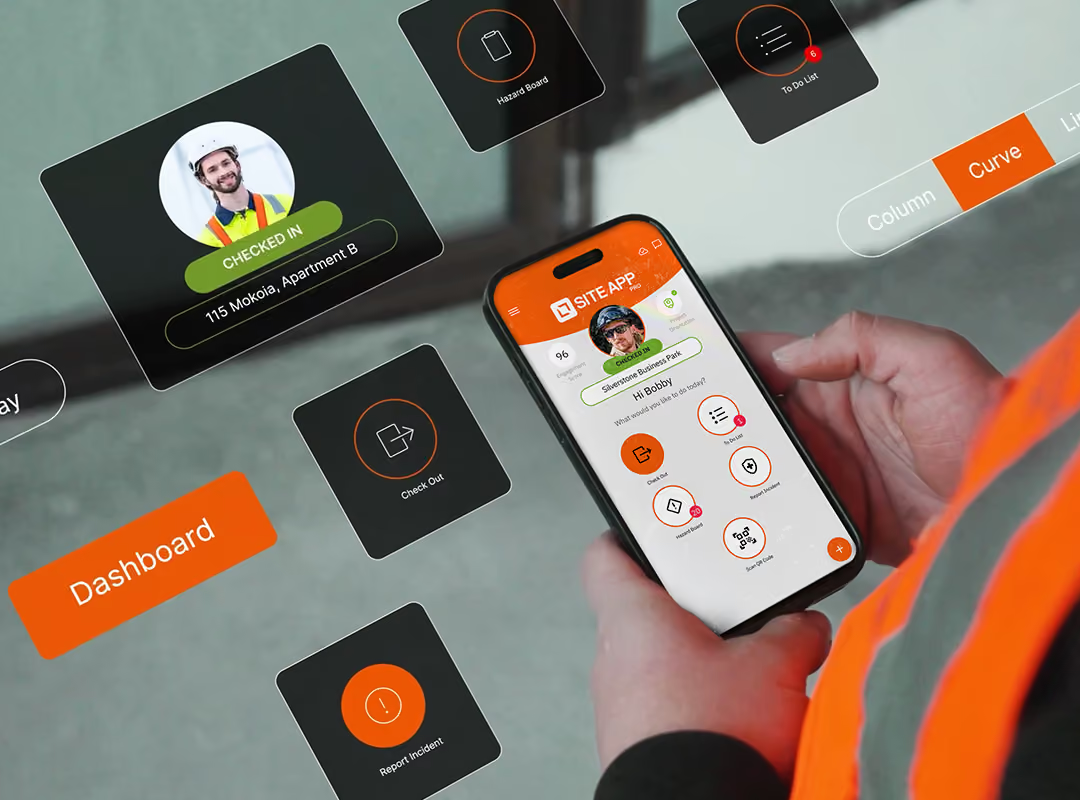
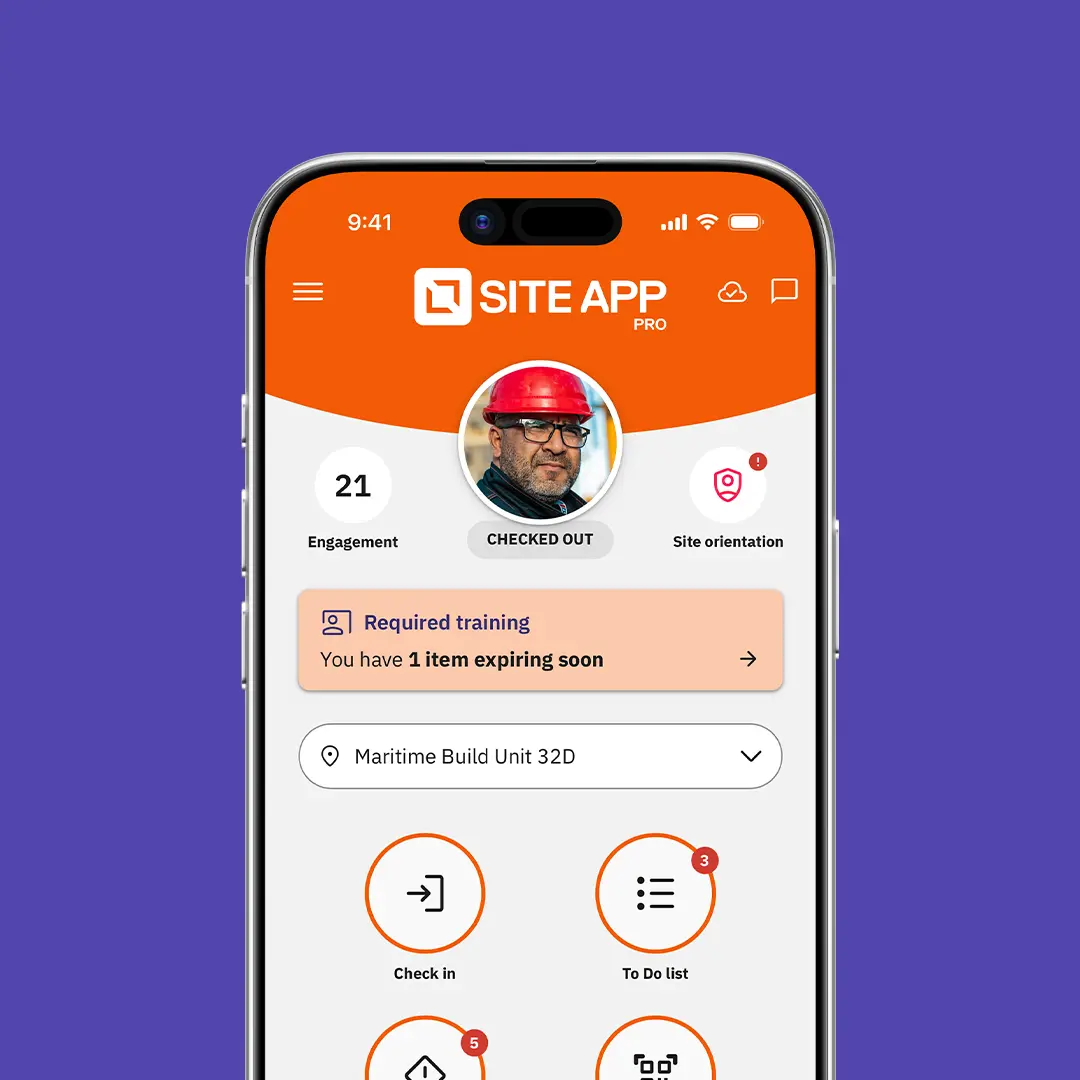
Site App Pro is digital health and safety management software that helps your team report, track and evidence incidents and near misses.

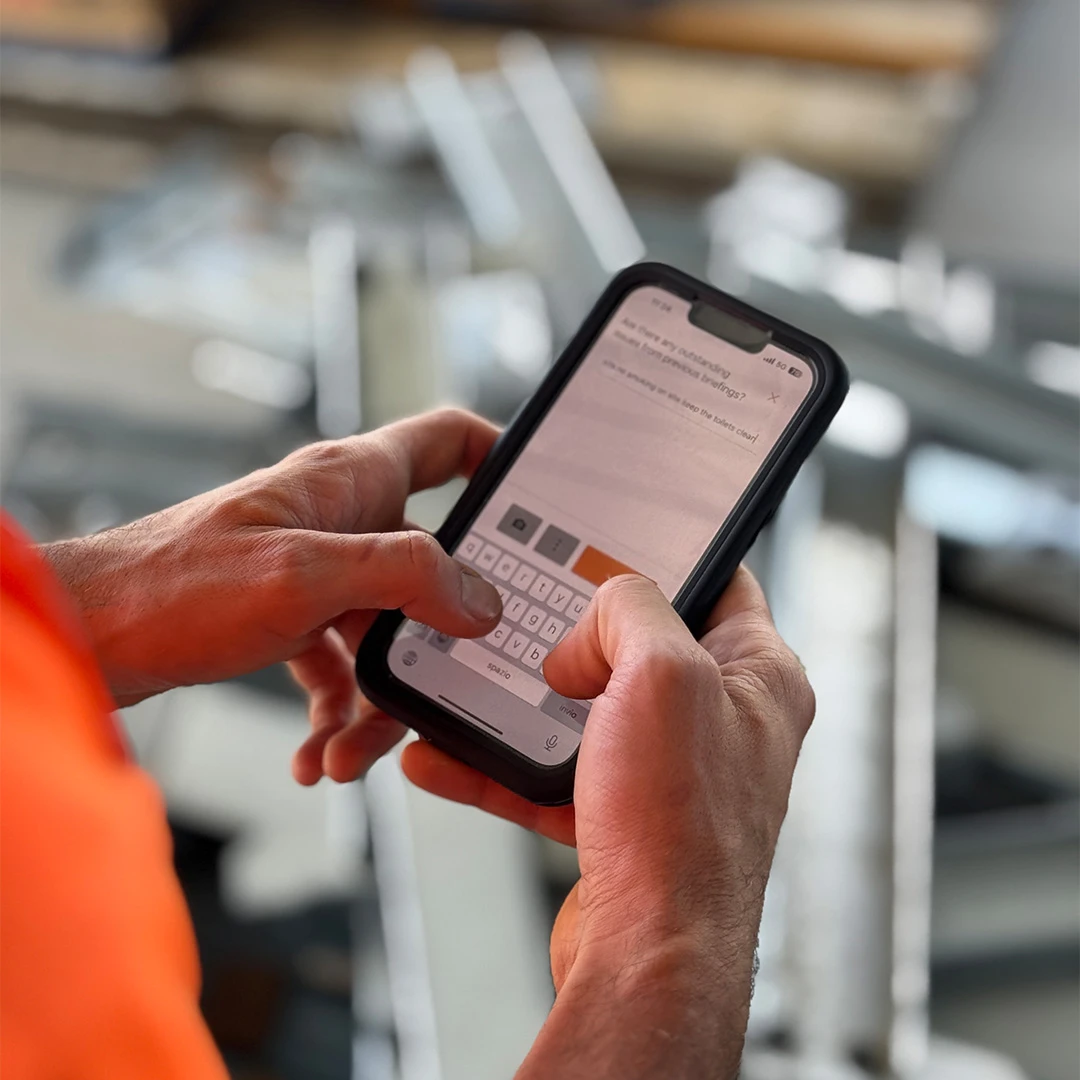
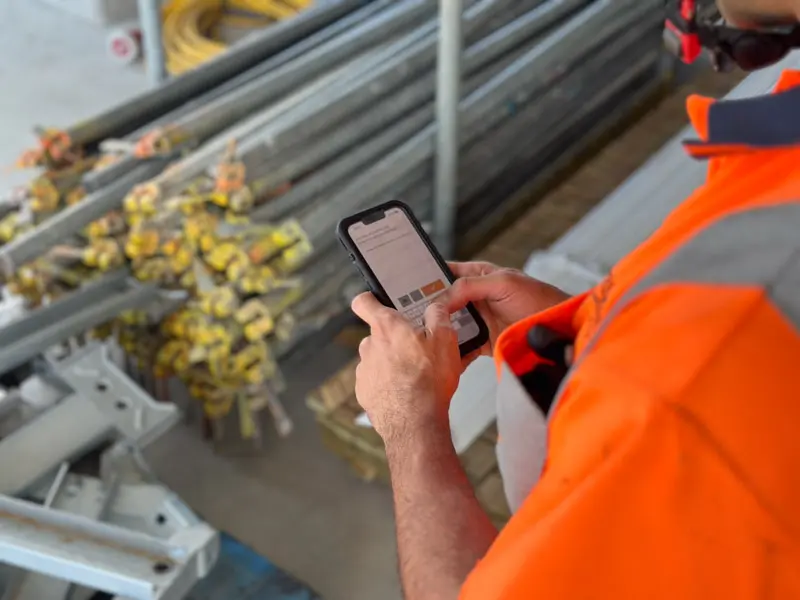
  • Reporting from the phone: your team can report an incident or near miss on a digital form with photos, even without coverage, syncing when back in range.
  • Investigation workflows: send an investigation form to the right people when an incident is reported, and assign corrective actions with due dates.
  • Registers and exports: keep every report in one searchable place and export an incident register for audits, clients or the board.

See how incident management works.

Find a health and safety consultant

After a serious incident, an experienced consultant can help you investigate, find the underlying causes and agree corrective actions that stick. For legal questions, talk to a lawyer. Find a health and safety consultant who knows your industry.

Try Site App Pro for free

Start a 14-day free trial with no credit card required. We set you up and upload your existing incident and near miss forms for you, free of charge. Pricing is flat-rate and user-based rather than per project, and our NZ-based support team is here when you need help. Start your free trial.

Disclaimer: Site App Pro does not provide health and safety or compliance advice. This guide has been provided for information purposes only. You should consult your own professional health and safety advisors for advice directly relating to your company or before taking action in relation to any of the content provided.

Citations and references

What events need to be notified?, WorkSafe New Zealand, https://www.worksafe.govt.nz/notifications/what-events-need-to-be-notified/, updated 30 October 2026, accessed 18 November 2026.

Notify WorkSafe, WorkSafe New Zealand, https://www.worksafe.govt.nz/notifications/notify-worksafe/, updated 9 December 2024, accessed 18 November 2026.

Health and Safety at Work Act 2015, sections 23 to 25, New Zealand Legislation, https://legislation.govt.nz/act/public/2015/70/en/latest/, version as at 5 April 2025, accessed 18 November 2026.

Health and Safety at Work (General Risk and Workplace Management) Regulations 2016, regulation 8, New Zealand Legislation, https://www.legislation.govt.nz/regulation/public/2016/0013/latest/whole.html, reprint as at 1 December 2020, accessed 18 November 2026.

Plans, tools and learning from incidents, business.govt.nz, https://business.govt.nz/risks-and-operations/health-and-safety/plans-tools-and-learning-from-incidents, date not shown, accessed 18 November 2026.

Changes to health and safety law: 1 April 2027, Duncan Cotterill, https://duncancotterill.com/insights/changes-to-health-and-safety-law-1-april-2027/, published 16 September 2026, accessed 18 November 2026.

FAQS

Under the Health and Safety at Work Act 2015, you must keep a record of each notifiable event for at least five years from the date WorkSafe was notified. For other incidents and near misses, the Act doesn't set a period, but many companies keep them for the same time.

‍

A workplace incident should be investigated by someone with the knowledge and authority to get to the causes, often a supervisor or health and safety manager, with input from the workers involved. For serious events, an independent health and safety consultant can help. Keep the investigation separate from any disciplinary process.

‍

You only have to report a near miss to WorkSafe if it is a notifiable incident, such as a load falling from height or an excavation collapse that exposed someone to serious risk. Most near misses are not notifiable. Recording them internally still helps you find and fix hazards early.

‍

An incident is an event at work where someone was hurt, became ill or property was damaged. A near miss is an event where nobody was hurt and nothing was damaged, but there was a real chance it could have been. Both should be reported and recorded so you can fix the hazard behind them.

‍

Site supervisor in a hard hat using a tablet above a busy construction site

Health and safety management software for small to enterprise New Zealand companies.

  • One online location
  • Customisable forms and dashboards
Book a demo