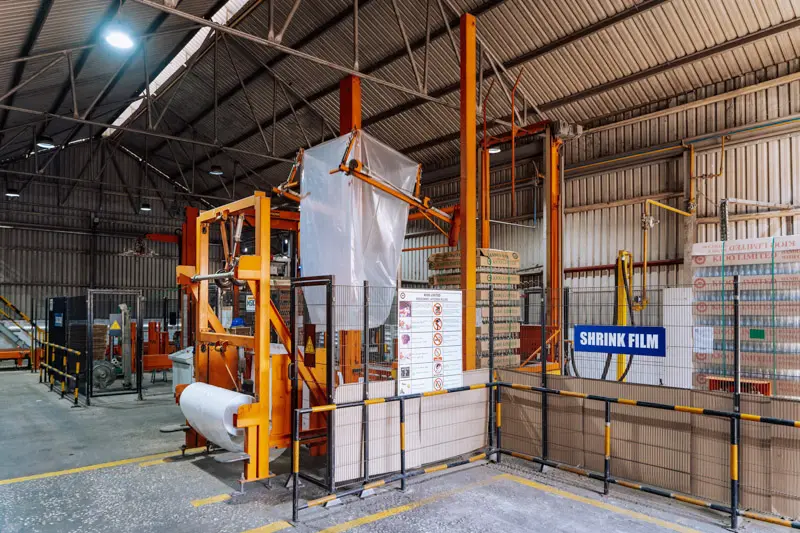
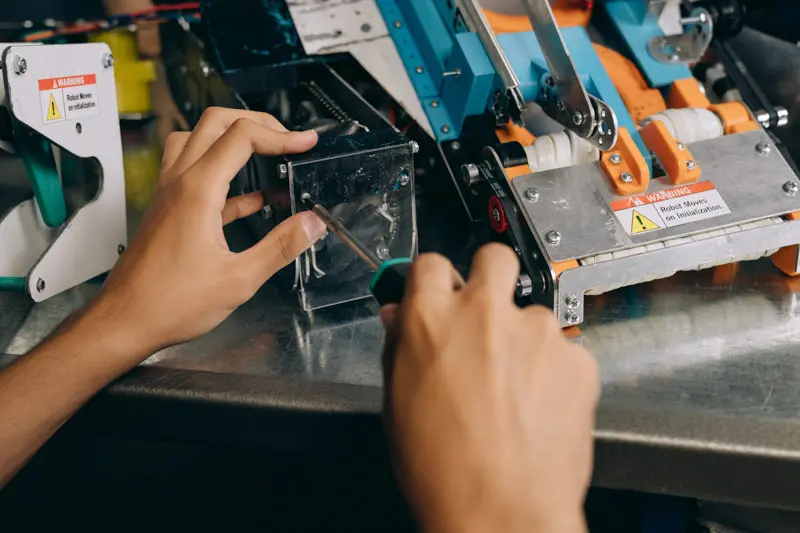
Choosing controls follows the hierarchy of controls set out in the General Risk and Workplace Management Regulations. Elimination comes first. If a risk can't be eliminated, you minimise it by substitution, isolation or engineering controls, then administrative controls, and personal protective equipment (PPE) last. WorkSafe describes PPE as the least effective control.
The hierarchy, from most to least effective, with WorkSafe's examples:
- Eliminate: remove the hazard, such as a trip hazard.
- Substitute: use something less hazardous, such as quieter plant or a safer chemical.
- Isolate: separate people from the hazard with screens, barriers or distance.
- Engineer: use guards, extraction ventilation or other physical controls.
- Administrative controls: procedures, permits, exclusion zones, training and signage.
- PPE: gloves, safety glasses, earmuffs and harnesses.
WorkSafe's guidance also says to prefer controls that protect several people at once, and not to rely on PPE as the first or only control. Most critical risks need several layers. A trench, for example, may need shoring, an exclusion zone, a permit and trained workers.
Watch for new risks from controls
Controls can create new risks. WorkSafe's example is hearing protection that stops a worker hearing an approaching vehicle. Check each control for side effects and manage those too.
How often should you review controls?
Reviewing controls means checking they still work and changing them when they don't. The General Risk and Workplace Management Regulations require PCBUs to keep controls effective and maintained, and to review them when certain triggers occur. WorkSafe's guidance also recommends reviews at scheduled times.
Review your controls when:
- a control isn't controlling the risk well enough
- you're about to change the workplace, the work or a process
- a new hazard or risk is identified
- health or exposure monitoring results call for it
- worker engagement shows a review is needed
- a health and safety representative asks for a review on reasonable grounds
Under the 2027 changes, large PCBUs should review critical risk controls more often than other controls. Incidents and near misses are a prompt to review, not just to report.