Working Outside Requires Extra Safety in Summer
Working outside in the heat and sunshine can cause extra health and safety challenges.

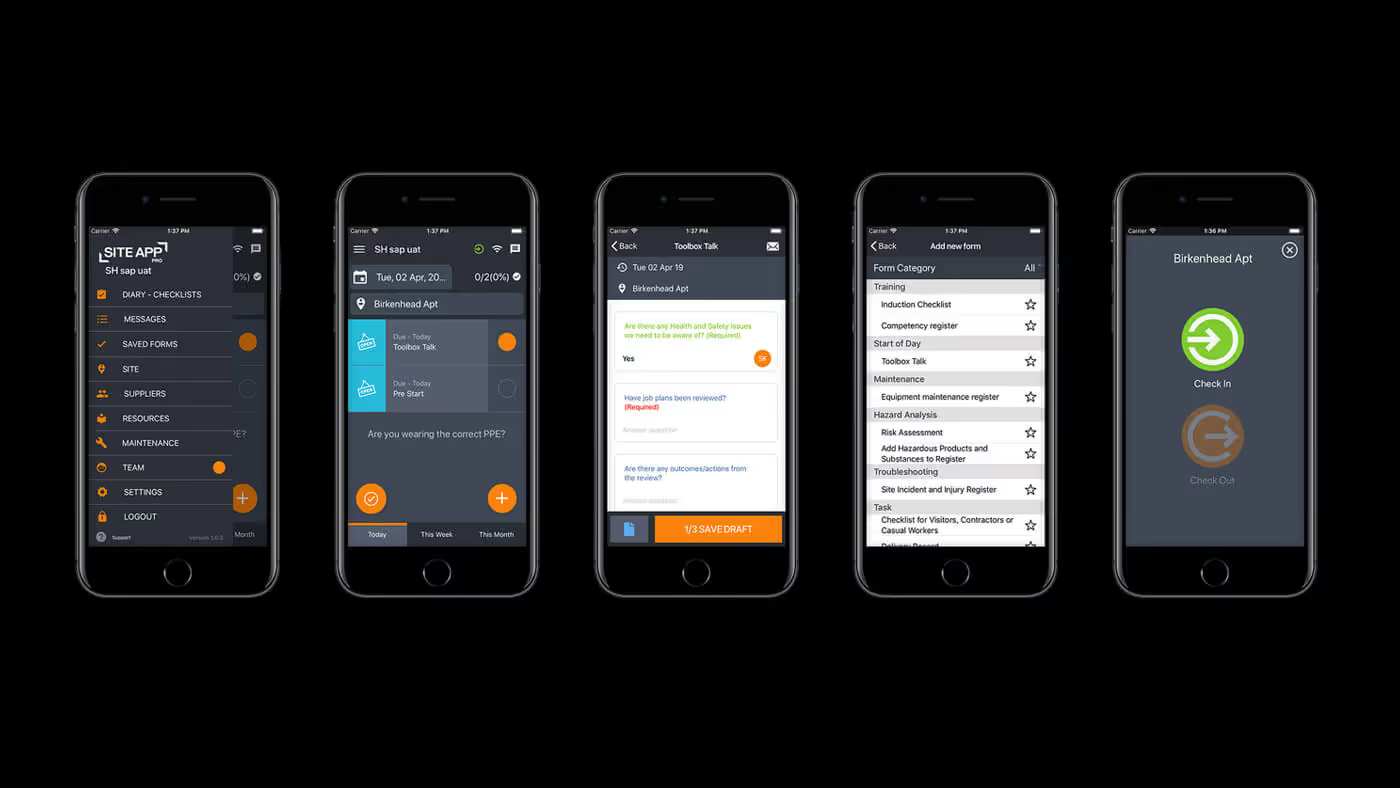
Group your safety forms into connected, end-to-end processes that guide your crew through the job safely. Instead of managing disconnected forms, you can link one form to the next.

At Site App Pro, we believe in the power of people. That’s why our partners are at the heart of what we do, helping businesses streamline safety processes while growing their own success.

We have an amazing support team dedicated to helping you and your business succeed with Site App Pro and answer any questions you may have.
Working outside in the heat and sunshine can cause extra health and safety challenges.

Summer has arrived a little late for most of us. Holidays are over, the school term is in full swing and most of us are back at work, indoors. However for a large number of workers the day is spent outside and this can present a few extra health and safety challenges. So whether you are an employer or an employee, a vineyard worker, road worker, landscaper or construction worker think about the additional risks a job outside can cause.
Skin Cancer
Around 300 New Zealanders die of melanoma every year
Unfortunately, New Zealand has one of the highest melanoma rates in the world. Make sure that you and your staff are aware that exposure to our harsh UV rays can lead to melanoma or other skin cancers. Not all employees may be native to New Zealand and know these risks.
As an employer could you provide a good quality sunscreen, long sleeve clothing made of breathable material or hats and/or neck protectors to minimise the chances of getting sunburn? Ensure that the staff know the risks so that they don't take their hats or shirts off when they get out of sight.
Get your workers to wear sunglasses. Do you need to provide safety sunglasses? If their job involves the risk of loose, flying materials a pair of UV rated safety sunglasses will have good impact protection and minimise sun damage to the eyes.
Minimise sun exposure by providing sunshades or shelter over the working positions where practicable.
Common Myths about Skin Cancer:
Dehydration and Heat stroke
On average 14 people die a year from heat-related causes
Like paint your body dries quickly in the heat and sunshine. If heat exhaustion is not dealt with quickly, it can progress to heat stroke, which can be life-threatening.
Working in confined spaces like underfloor, ceiling or roof work will increase the risk of heat exhaustion. Ensure there is adequate airflow through these areas, use fans or air conditioning to provide ventilation.
Humidity increases the likelihood of heat exhaustion as much as the actual temperature. High humidity prevents sweat from evaporating, so that the body has more difficulty cooling itself.
To prevent heat exhaustion:
Make sure your workers know the signs of heat exhaustion before it becomes heatstroke. Heat stroke victims usually don't recognise their own symptoms.
Heat exhaustion can quickly progress to heat stroke. Indicators of heatstroke include:
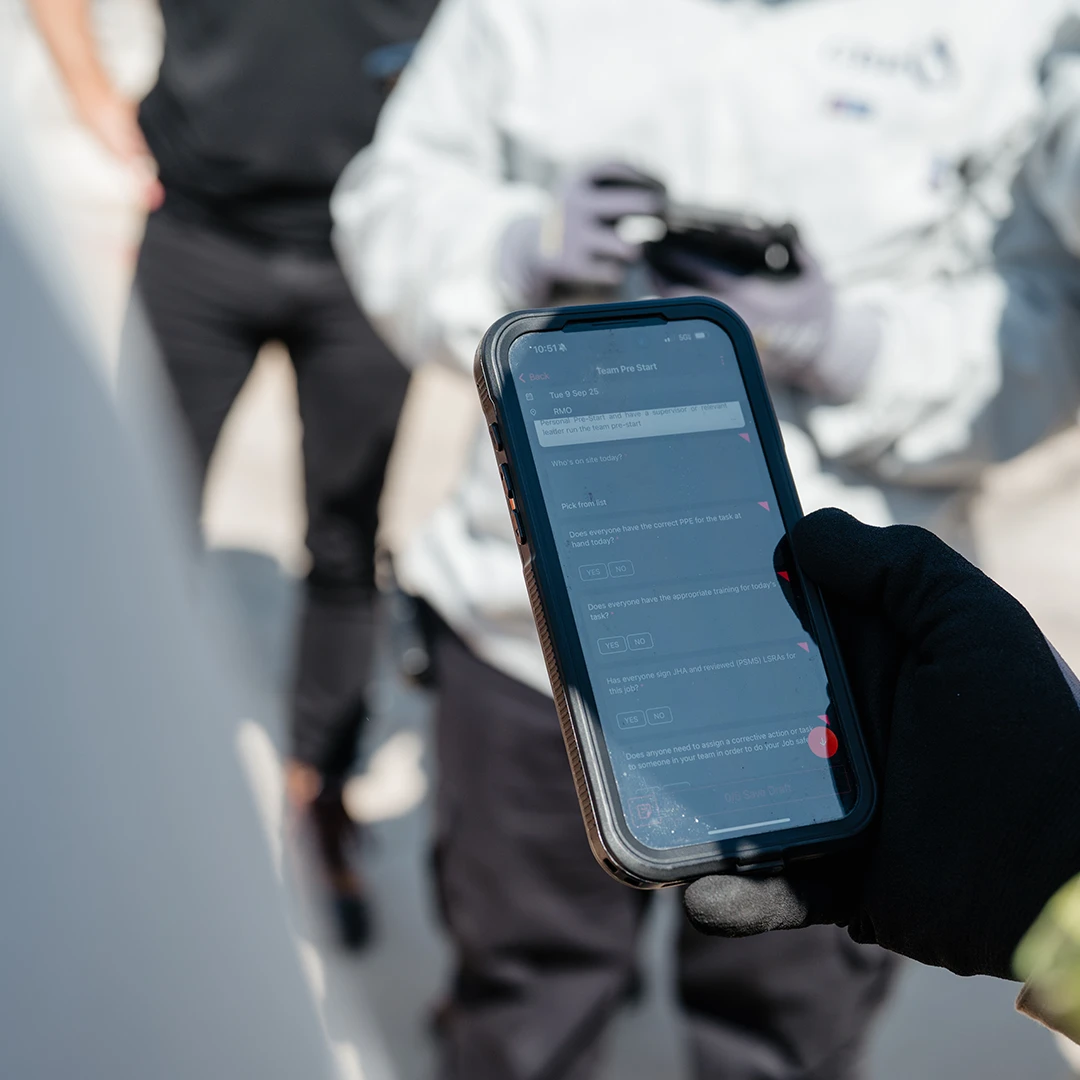
Call us now to find out how SiteApp can limit the risk to you and your employees. Create a heat stress checklist which can be completed on site quickly and easily via a smartphone or tablet.
Working outside in the heat and sunshine can cause extra health and safety challenges.
.webp)
Disclaimer: Site App Pro does not provide health and safety or compliance advice. This guide has been provided for information purposes only. You should consult your own professional health and safety advisors for advice directly relating to your company or before taking action in relation to any of the content provided.