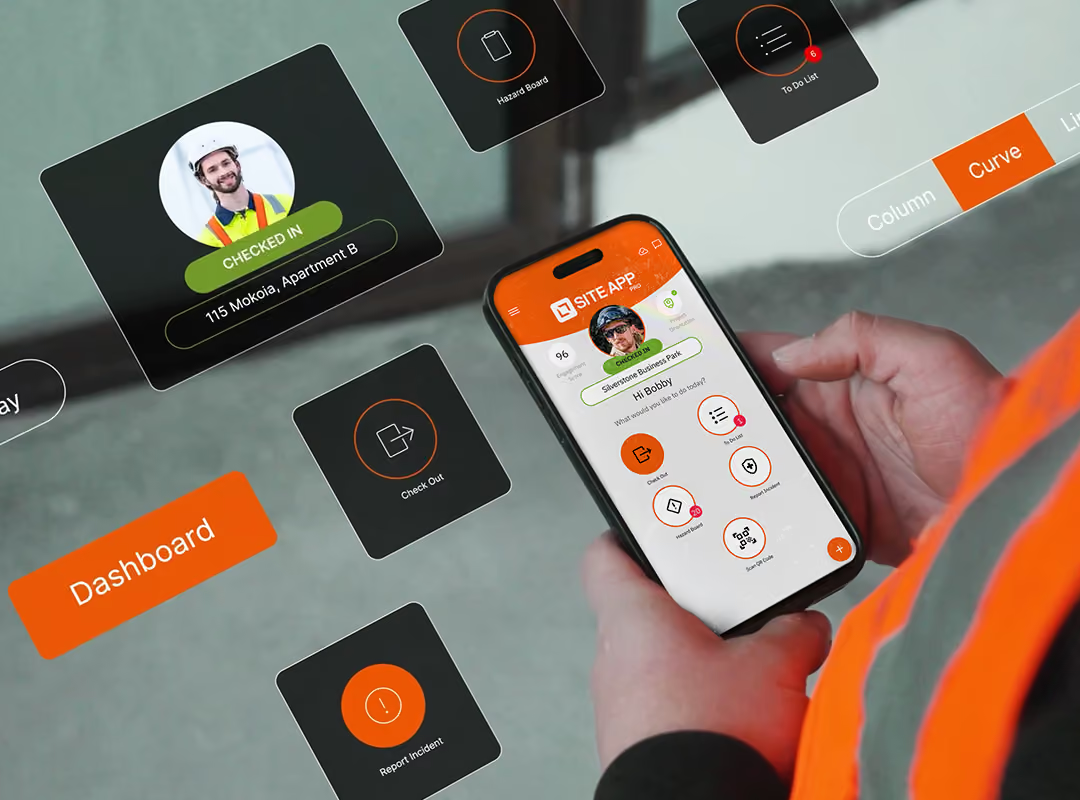
Group your safety forms into connected, end-to-end processes that guide your crew through the job safely. Instead of managing disconnected forms, you can link one form to the next.

At Site App Pro, we believe in the power of people. That’s why our partners are at the heart of what we do, helping businesses streamline safety processes while growing their own success.

We have an amazing support team dedicated to helping you and your business succeed with Site App Pro and answer any questions you may have.
WHS Glossary
Plain-English definitions of PCBU, the WHS Act, SWMS, SafeWork Australia and other work health and safety terms used by Australian construction and field teams.
Corrective and preventive action (CAPA)
Corrective and preventive actions are systematic actions taken to eliminate the root causes of identified incidents, or hazards. Also known as CAPA, it prevents recurring health and safety issues, ensuring long-term workplace compliance and operational safety across sites.
Equipment register
An equipment register or log is a centralised record tracking machinery, vehicles, and heavy tools. It details inspection schedules, maintenance histories, and operational statuses to keep equipment safe, certified, and compliant at all times.
Hazard register
A hazard register or log is a dynamic list identifying known workplace hazards, assessing their potential risks, and outlining specific control measures. It keeps teams informed and ensures risks are actively eliminated or minimised.
Health and Safety Representative (HSR)
A health and safety representative is an elected worker trained to represent their peers' health and safety interests. Also known as HSRs, they facilitate communication with management, assist with risk management, and help resolve site safety concerns.
Incident management
Incident management is a structured process of logging, investigating, and resolving workplace injuries, illnesses, or property damage. It ensures thorough reporting, root-cause identification, and swift corrective action to prevent future occurrences.
ISO 45001
ISO 45001 is an international standard for occupational health and safety management systems. It provides a framework for organisations to proactively reduce workplace risks, improve safety culture, and enhance operational resilience.
Near miss
A near miss is an unplanned event or unsafe condition that did not result in injury, illness, or damage, but had the clear potential to do so. Tracking near misses helps identify hazards before harm occurs.
Notifiable incident
A serious workplace event, such as a death, severe injury, illness, or dangerous incident that requires immediate notification to the relevant state or territory regulator under WHS legislation.
PCBU (Person Conducting a Business or Undertaking)
Under WHS law, the PCBU holds the primary duty of care to ensure, as far as reasonably practicable, the health and safety of workers and visitors.
PPE (Personal Protective Equipment)
PPE is specialised clothing or gear, such as hard hats, high-visibility clothing, safety boots, and eye protection designed to be worn by workers to minimize exposure to specific workplace hazards.
SafeWork Australia
The SafeWork Australia national policy body responsible for developing and evaluating national policy and strategy regarding WHS and workers' compensation. Local state and territory regulators enforce these laws.
SDS (Safety Data Sheet)
A SDS is a comprehensive document detailing essential hazard information, physical properties, safe handling procedures, storage rules, and emergency measures for hazardous chemicals or substances used on-site.
Site induction
A site induction is a mandatory onboarding process that briefs workers, contractors, and visitors on specific site hazards, safety rules, emergency procedures, and site layouts before they enter or begin work.
Subcontractor management
Subcontractor management is the process of vetting, onboarding, and monitoring trade contractors. It ensures their SWMS, licenses, insurance, and safe work practices align with project safety standards throughout a job.
SWMS (Safe Work Method Statement)
A SWMS document is a detailed document outlining high-risk construction work activities, associated safety risks, and the specific control measures implemented to carry out the work safely and systematically.
Toolbox talk
A toolbox talk is a short, practical safety meeting held on-site with workers to discuss specific task hazards, safe work practices, recent incidents, or upcoming site activities before starting work.
Training register
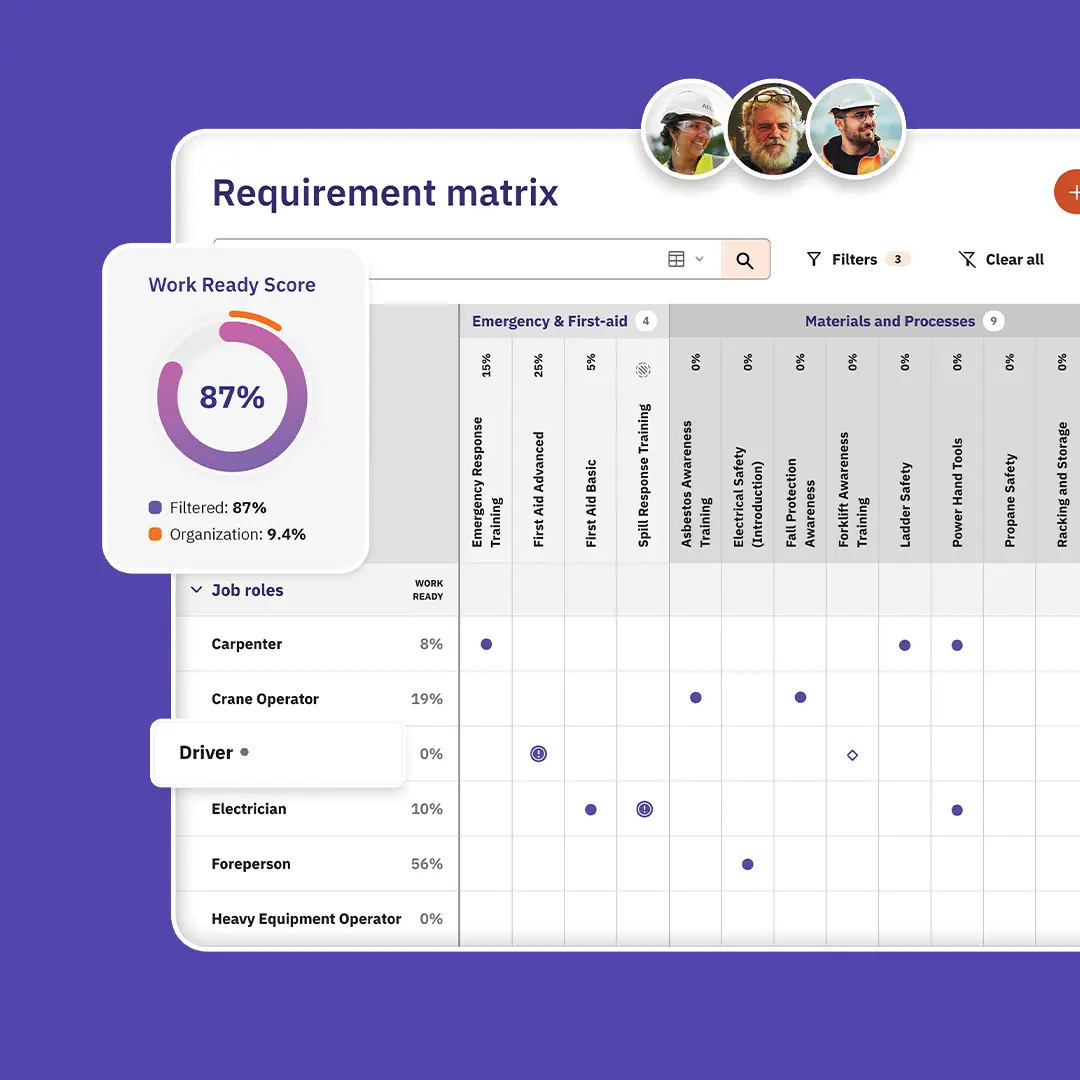
A training register is a centralised log tracking worker qualifications, high-risk work licenses, certifications, and expiry dates to ensure only competent, properly trained personnel perform specific tasks.
WorkCover
WorkCover is the Australian state-based statutory body or scheme managing workers' compensation insurance and rehabilitation programs, supporting injured workers with medical expenses and return-to-work plans.
Work Health and Safety Act (WHS Act)
The WHS Act is a framework legislation in Australian jurisdictions setting legal duties for PCBUs, officers, and workers, establishing the standard for workplace health, safety, and welfare compliance.