WorkSafe NZ National Manufacturing Sector Assessment 2026

The WorkSafe NZ manufacturing sector assessment is a nationwide initiative running from January to March 2026. It focuses on high-risk areas in manufacturing to ensure businesses comply with the Health and Safety at Work Act 2015 (HSWA) regarding machinery safety and hazardous substance exposure.

February 2, 2026
WorkSafe NZ National Manufacturing Sector Assessment 2026

WorkSafe NZ National Manufacturing Sector Assessment 2026

The WorkSafe NZ manufacturing sector assessment is a nationwide initiative running from January to March 2026. It focuses on high-risk areas in manufacturing to ensure businesses comply with the Health and Safety at Work Act 2015 (HSWA) regarding machinery safety and hazardous substance exposure.

WorkSafe NZ National Manufacturing Sector Assessment 2026

WorkSafe NZ National Manufacturing Sector Assessment 2026

The WorkSafe NZ manufacturing sector assessment is a nationwide initiative running from January to March 2026. It focuses on high-risk areas in manufacturing to ensure businesses comply with the Health and Safety at Work Act 2015 (HSWA) regarding machinery safety and hazardous substance exposure.

What is the 2026 WorkSafe Manufacturing Assessment?

The WorkSafe NZ manufacturing sector assessment is a proactive, nationwide campaign designed to educate businesses on managing critical risks. From January to March 2026, WorkSafe inspectors are visiting sites, with a particular emphasis on wood product manufacturing, to provide guidance on "getting the basics right" and ensuring workers return home safely.

  • Objective: To reduce acute and chronic harm in one of New Zealand’s highest-risk industries.
  • Method: Proactive in-person visits (typically lasting one hour) following advance contact.
  • Focus: Engagement and education rather than immediate enforcement, unless critical risks are unmanaged.
  • Scope: Nationwide coverage across all manufacturing sub-sectors, prioritising wood products.

Health and safety requirements in the manufacturing sector

Health and safety in manufacturing machinery operation

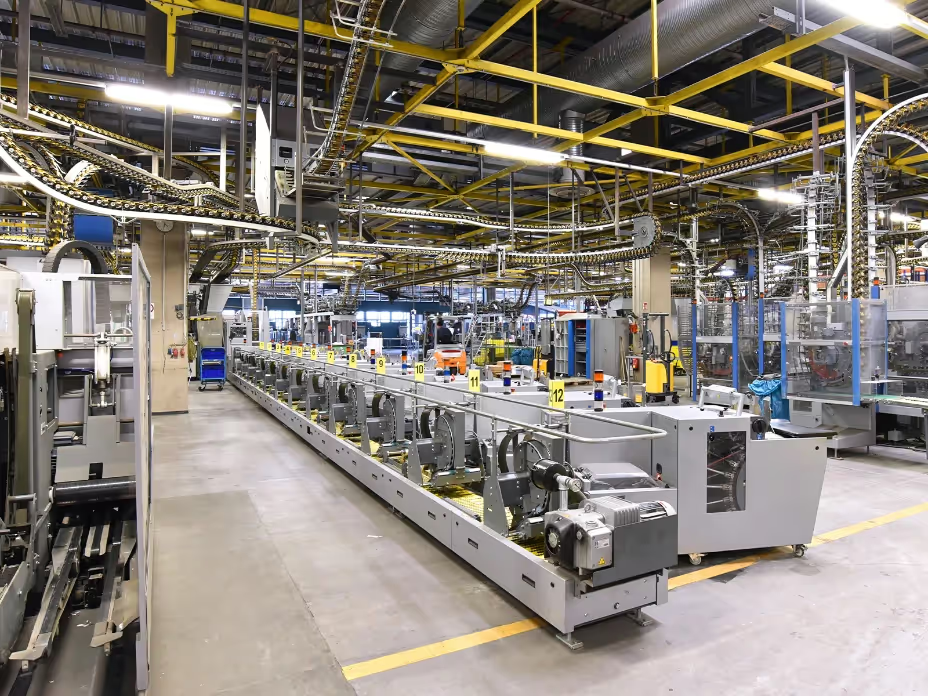
Health and safety in New Zealand’s manufacturing sector starts with the operation of machinery. Under the Health and Safety at Work Act 2015, businesses must ensure all equipment is used safely to prevent crushing, shearing, or entanglement injuries.

Effective machinery maintenance and safety involve:

  1. Guarding: Ensuring all moving parts have secure, functional guards that cannot be easily bypassed.
  2. Lockout/Tagout: Implementing strict procedures for isolating power during maintenance or cleaning.
  3. Training: Providing comprehensive supervision and training for all machine operators.
  4. Emergency Stops: Verifying that all emergency stop mechanisms are accessible and functional.

Review: Are you tracking the maintenance of your machinery and have you got the correct standard operating procedures in place for your teams to follow? 

Managing Hazardous Substances and Toxic Exposures

Managing environmental health and safety in manufacturing requires strict controls over hazardous substances. WorkSafe's current assessment places significant weight on how businesses protect workers from chronic illness caused by long-term exposure to airborne contaminants.

Key risks identified include:

  • Toxic Dust Exposure: Specifically wood dust and silica dust, which require local exhaust ventilation (LEV).
  • Fumes Exposure: Managing welding fumes and chemical vapours through proper extraction and PPE.
  • Chemical Exposure: Ensuring correct storage, handling, and use of industrial solvents and treatments.
  • Inventory Management: Keeping an up-to-date hazardous substances register and safety data sheets (SDS).

Review: Are your teams handling hazardous substances correctly and do they know how to update the hazardous substance register and safety data sheets? 

Understanding Upstream Duties for Manufacturers

Under HSWA, upstream duties apply to those who design, manufacture, import, or supply plant and substances. These duty holders must ensure their products are "safe by design" before they even reach the end-user's factory floor.

"Upstream businesses are in a strong position to eliminate or minimise risk at the source, rather than relying on downstream users to manage hazards through PPE or administrative controls." - WorkSafe NZ.

Manufacturers must:

  • Carry out testing to ensure products are without health and safety risks.
  • Provide adequate information on the intended use and results of safety tests.
  • Consider the lifecycle of the product, including maintenance and decommissioning

Manufacturing Health and Safety Checklist

A robust health and safety checklist for manufacturing is essential for passing a WorkSafe assessment. Your checklist should serve as a living document that guides your daily safety activities.

  • Machinery: Is equipment being maintained frequently and correctly? Does your team know where to easily and quickly find standard operating procedures for each piece of equipment?
  • Substances: Are all chemicals labelled? Does your staff know where to fill out a safety data sheet of job safety analysis (JSA) form? 
  • Environment: Is the ventilation system working and how do they notify someone if it isn’t? How can they confirm they are wearing the correct PPE gear?
  • Training: Have all new staff completed their health and safety induction?
  • Emergency: Does each staff member know how to fill out a near-miss or incident report?

The Role of Safety Software in Compliance

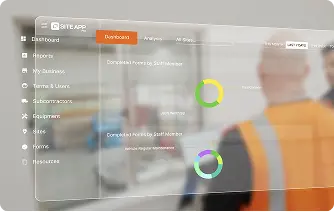
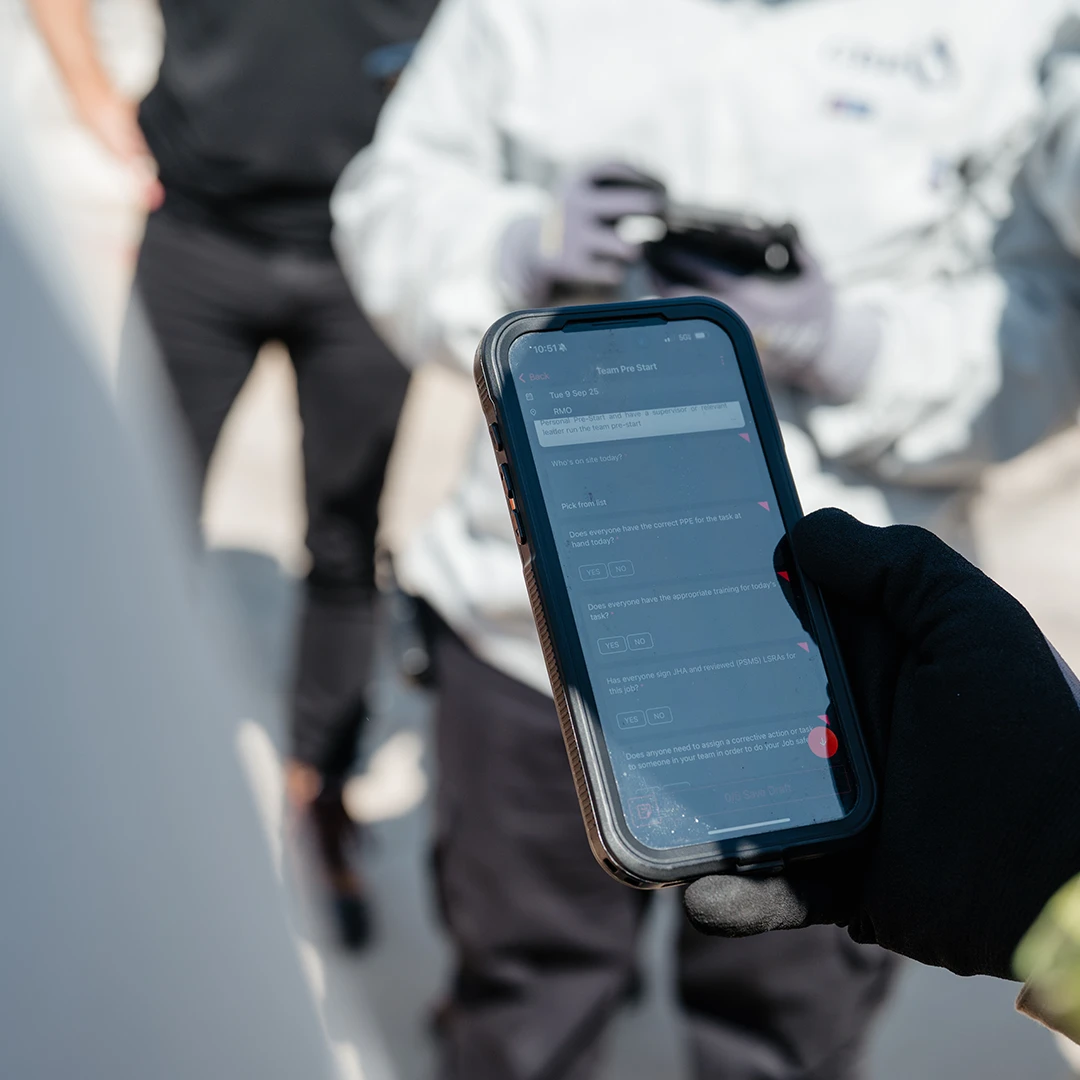
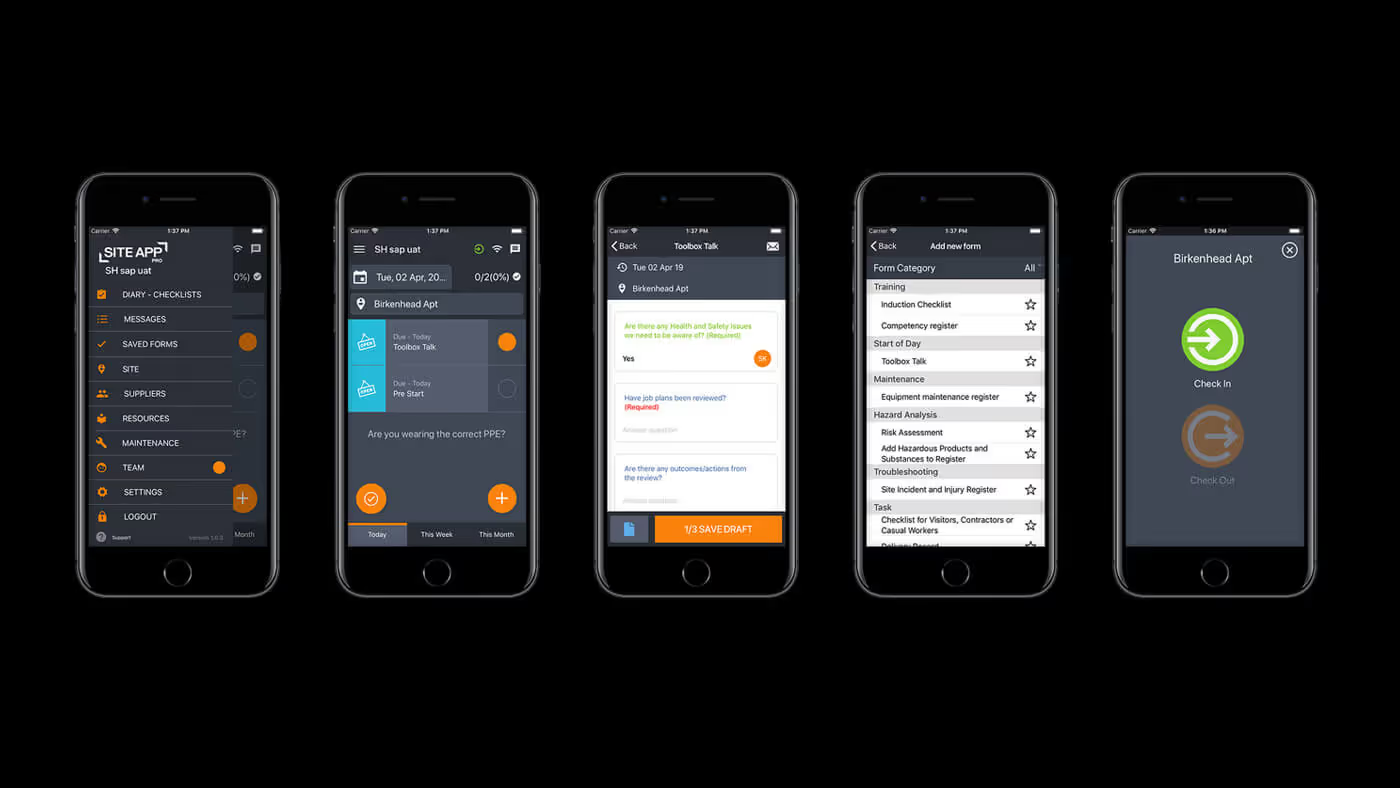
Maintaining a health and safety manual for manufacturing shouldn't be a paper-heavy burden. Site App Pro streamlines compliance by digitising your forms, risk registers, and machine maintenance logs. This allows management and H&S managers to see real-time data on site safety, providing peace of mind that teams are protected.

With features like customisable digital forms and a searchable resource paper trail, Site App Pro ensures your business is always "WorkSafe ready."

Want to learn more?

Learn more

Disclaimer: Site App Pro does not provide health and safety or compliance advice. This guide has been provided for information purposes only. You should consult your own professional health and safety advisors for advice directly relating to your company or before taking action in relation to any of the content provided.